Luristan Swords

IMAS 10
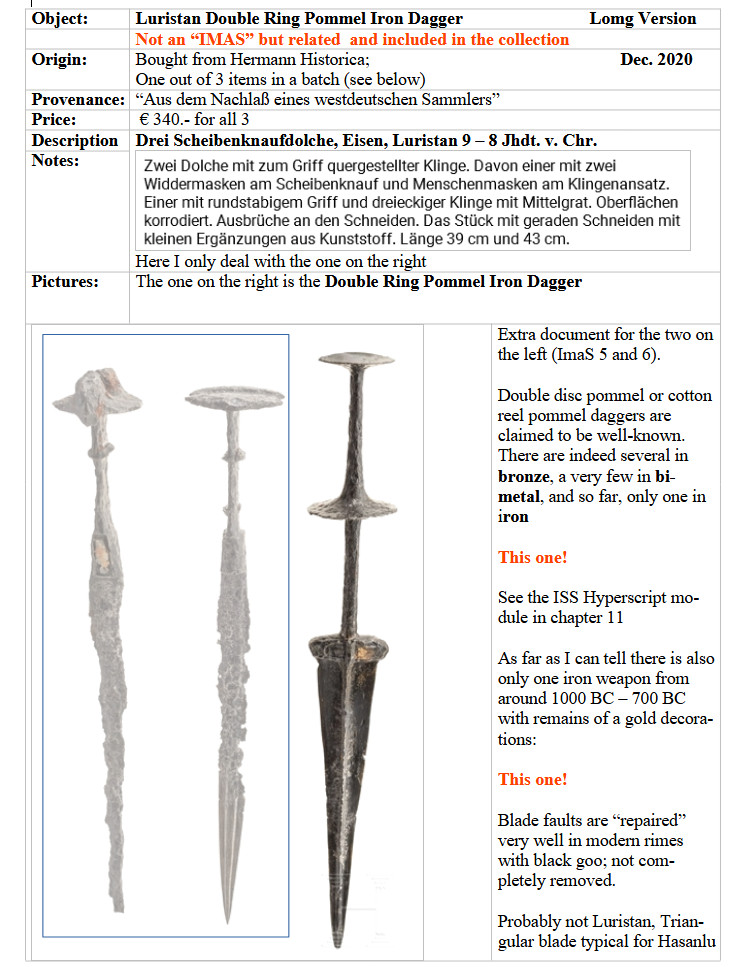
Note: The “Lurtistn Sword” paged will be formatted somewhat differently (simpler) than the rest. As I grew older, my eyes deteriorated to a point where I can just barely type stuff in my html editor. I apologize for typos and perfectly spelled but wrong words produced by the erroe correction without me noticing.
 
My pesronal notes:


Detaisl:
 
This is a rather unusual object for 3 reasons:
1. It was made from iron, and that seems to be very rare.
2. It had some gold “inlay” (?)
3. It is very relatively well preserved.

There are several similar ones made from bronze; see below.

Close to the hilt the iron looks hardly corroded and is covered by some blackish layer that looks like paint (actually is paint: see below). In fact, as found out later, the black stuff is bulky and was used to replace parts that have been corroded away completely.
In other words: Close to the hilt large parts of the iron are missing; preservation is not a good as it looks at a first glance.
The dagger was investigated for bronze covering by putting a small part of the black “paint” (see below). No bronze. Done by Fr. Szillus, Prof, Kienle’s group, Technical Faculty Kiel
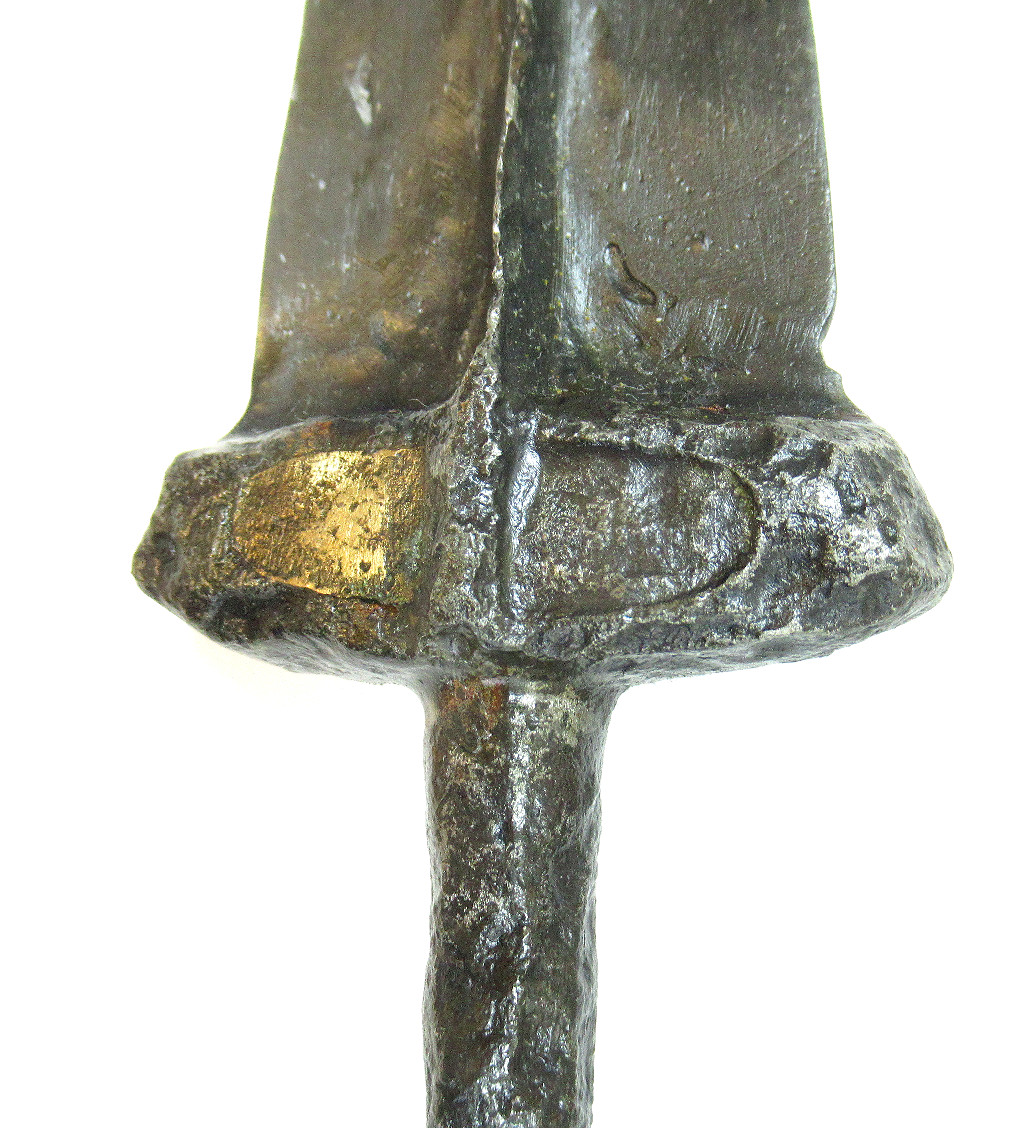
 
 
The remains of a gold inlay. Can only be gold after 3000 years. Bronze would be corroded
 
It looks like the shallow depression for taking the ornamentation was completely filled with gold but more investigations are needed to ascertain this point. Wee must assuem that somebody ripped off the preocous gold. Why no gold traces were left in the remaining three depressions is not clear.

If it really was the case, m it would prove beyond doubt that this dagger (and by inference all IMAS) were extremely precious objects.
How do you fix a piece pf gold in those not very deep depressions? My guess is by pouring molten gold into the cavity. On an uneven surface the gold might stick well enough to need no further fixing like crimping.

A first check of the literature (Arms and Armor Khorasani), Iranica (Overlaet), Munich Luristan booklet, …) produced some similar daghgers bur mostly made form bromze. Browsing the Internet also püroduced some results. Some exdamples selcerted ar ramndom follows
There are many names for this kind of Pommel / vessel:
Ring pommel, double ring pommel, double disc knot, wheel pommel, cotton rteel pommel, ...

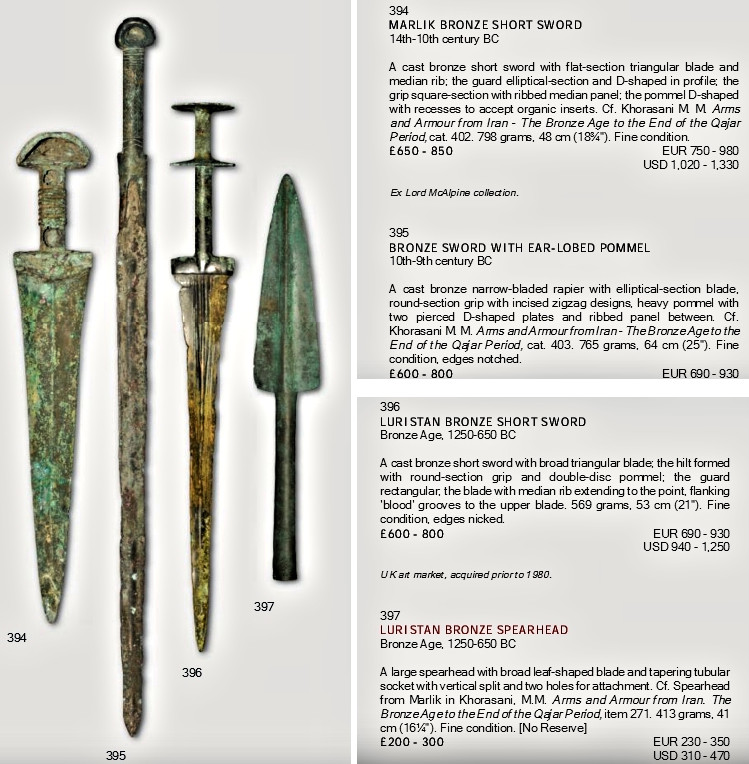
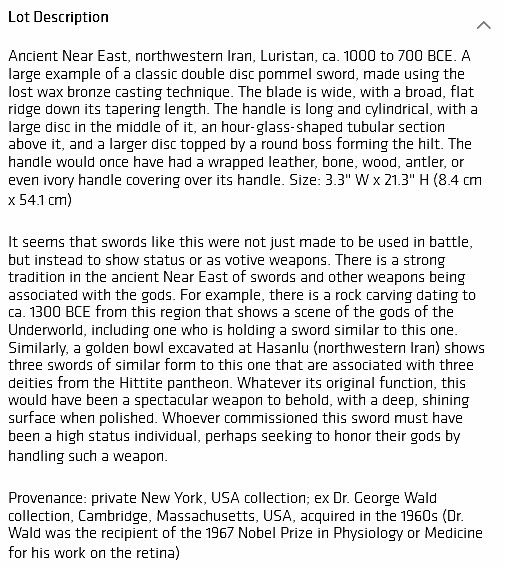
Some examples of other douible-disc pommel swords:
 
 
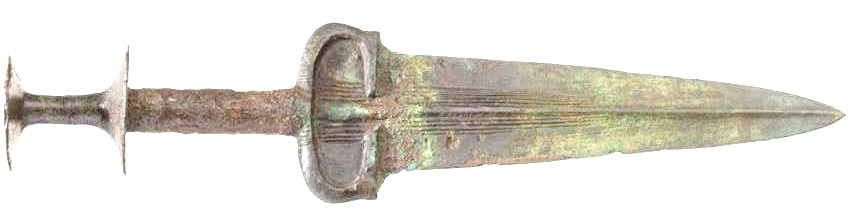
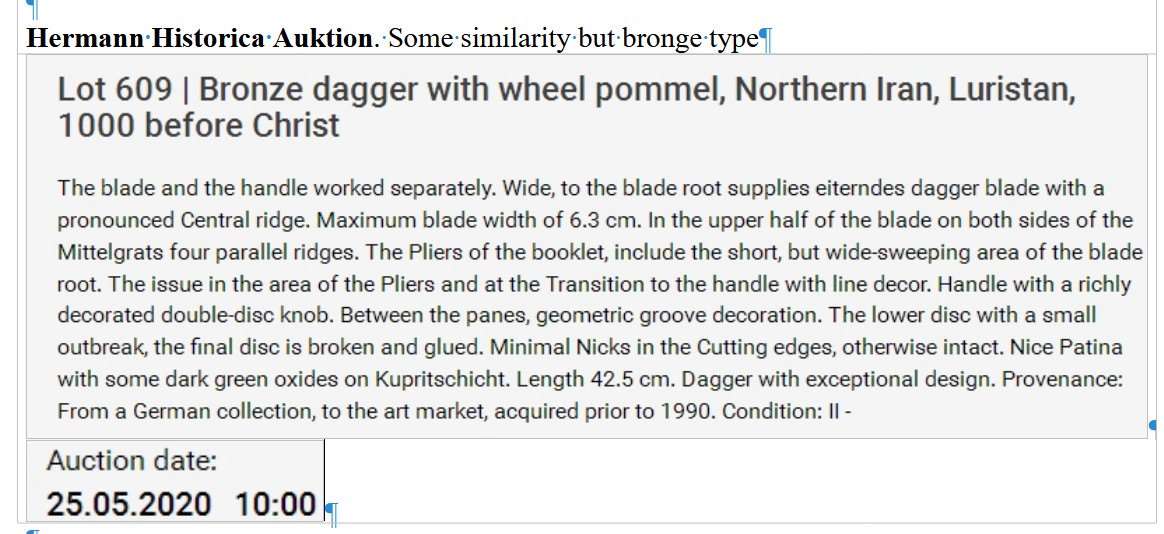
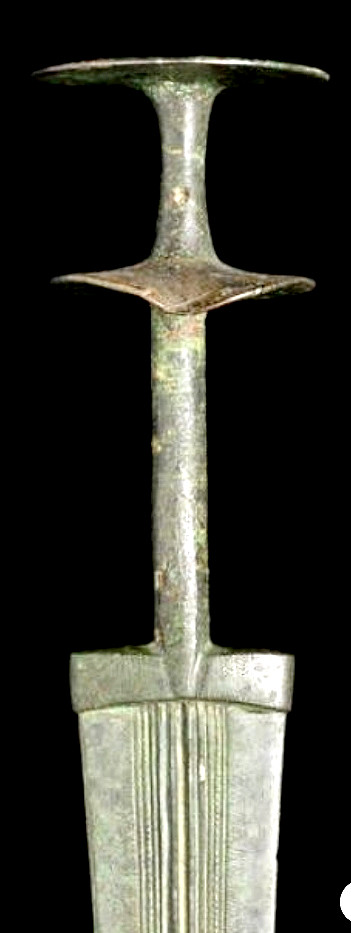
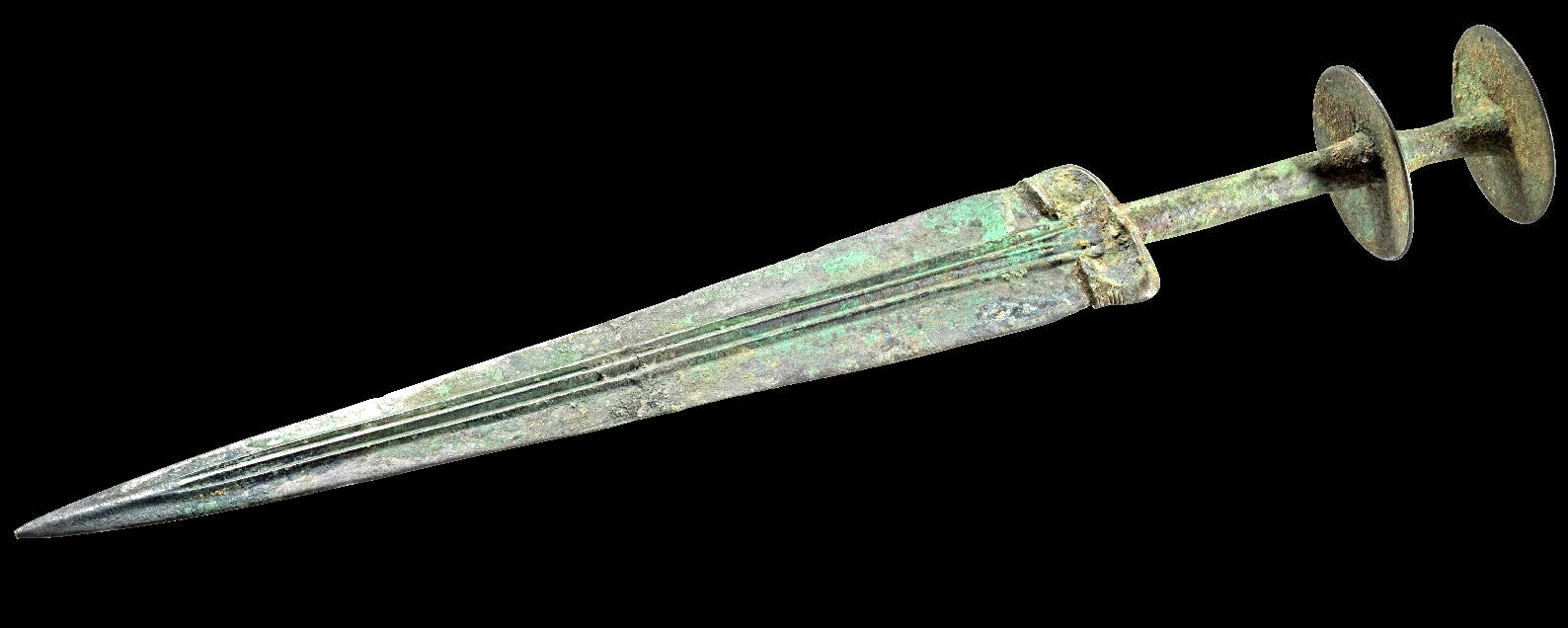
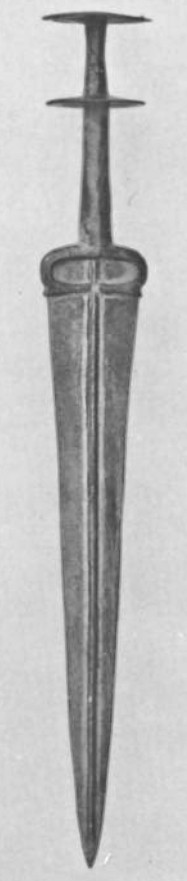
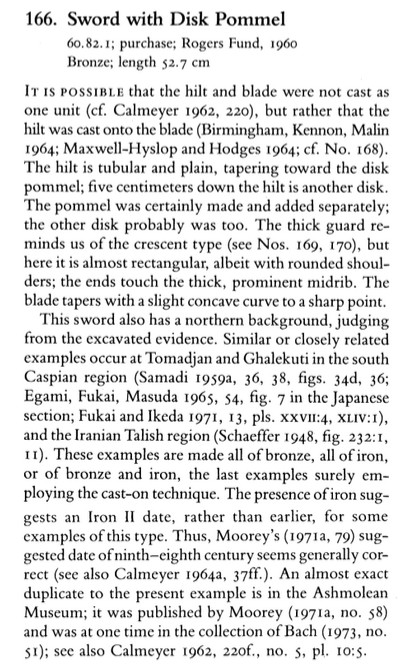
Similar, but bronze.
Note that their dagger like many others had the structures for insetting some gold or whatever but no traces of gold or something lese has been found in all cases known to me.
 
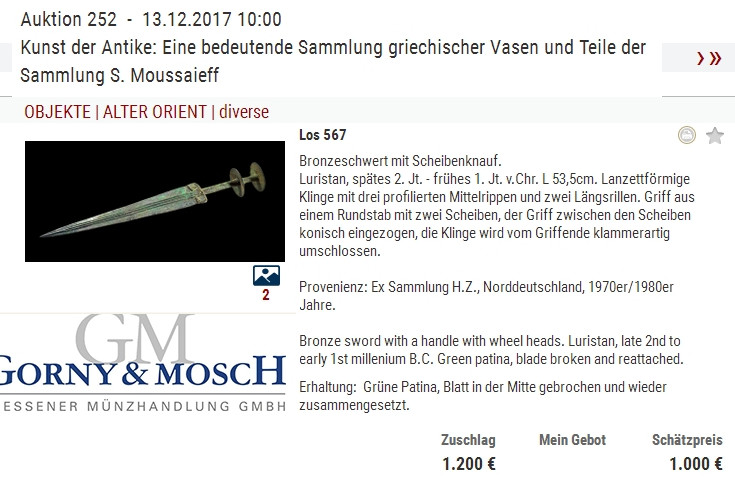
Following some more bronze spices found at auctions_


Here is a good one (bromze) shwon and discussed in Muscarella' s book


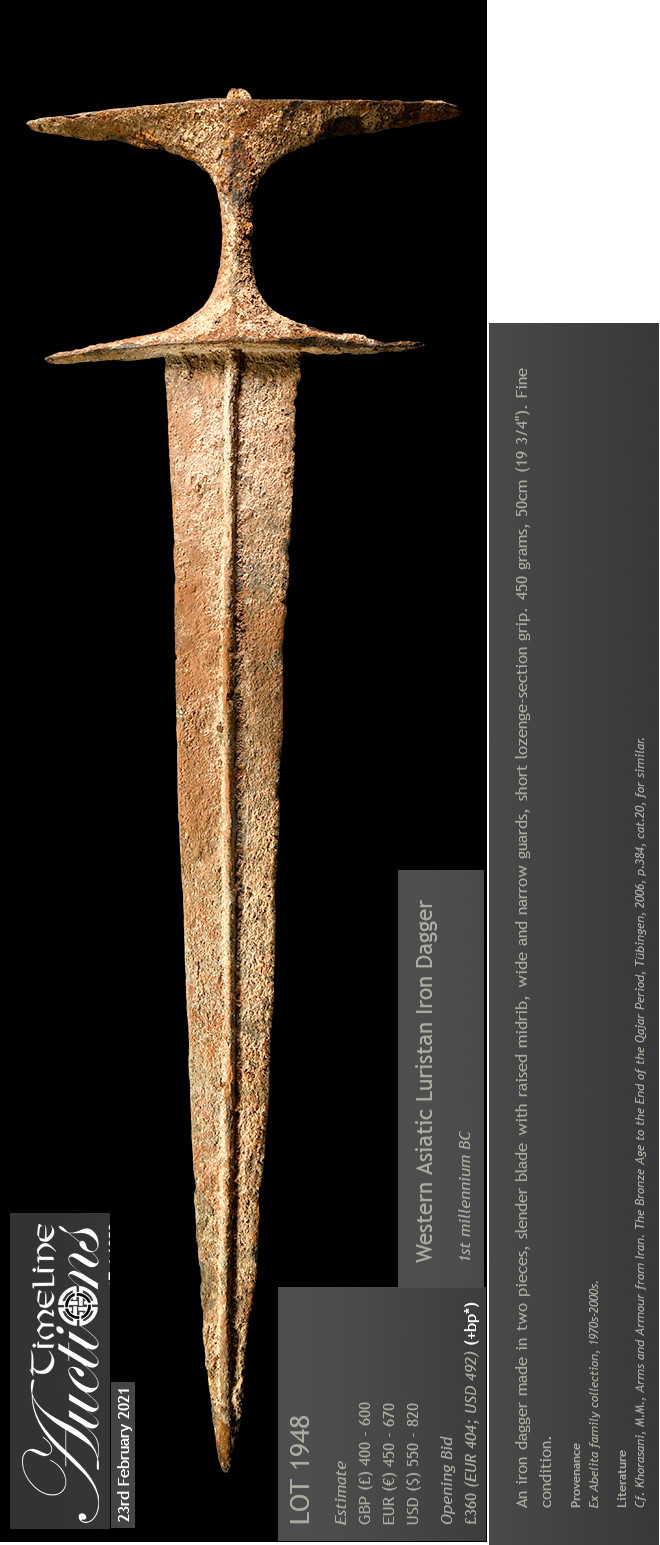
Next, some iron ones:(all O could find so far)


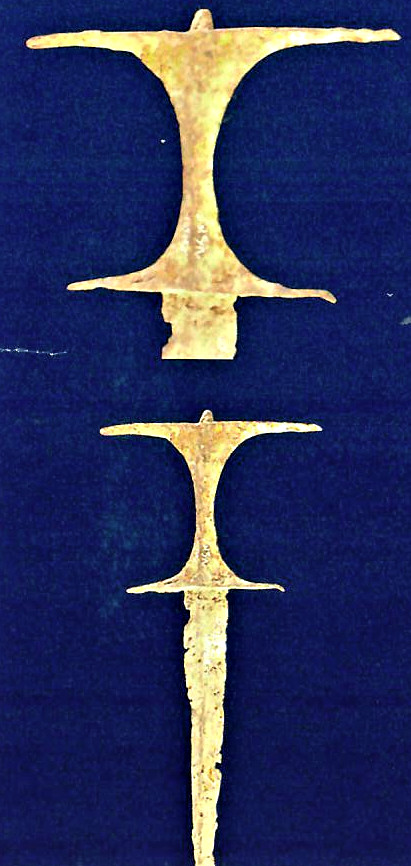
Iron but simpler construction. Similar one in Khorasamis book shown on the right
    

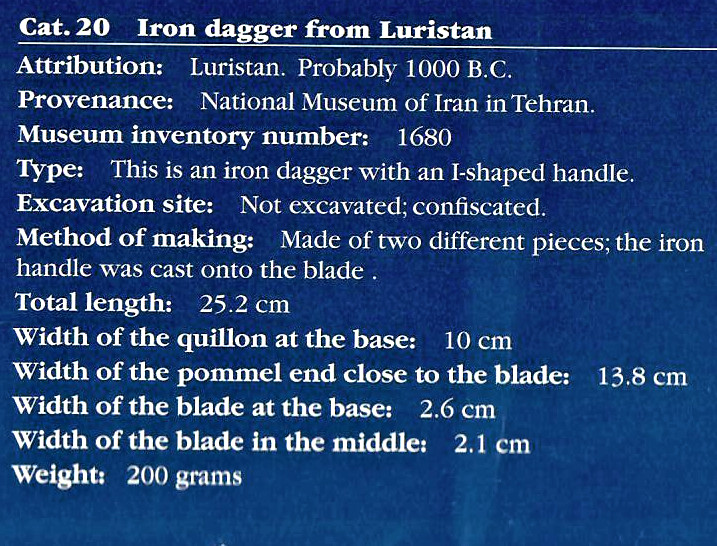
From Kghorasani’s book (p- 384) Iron; dated to around 000 BC
     
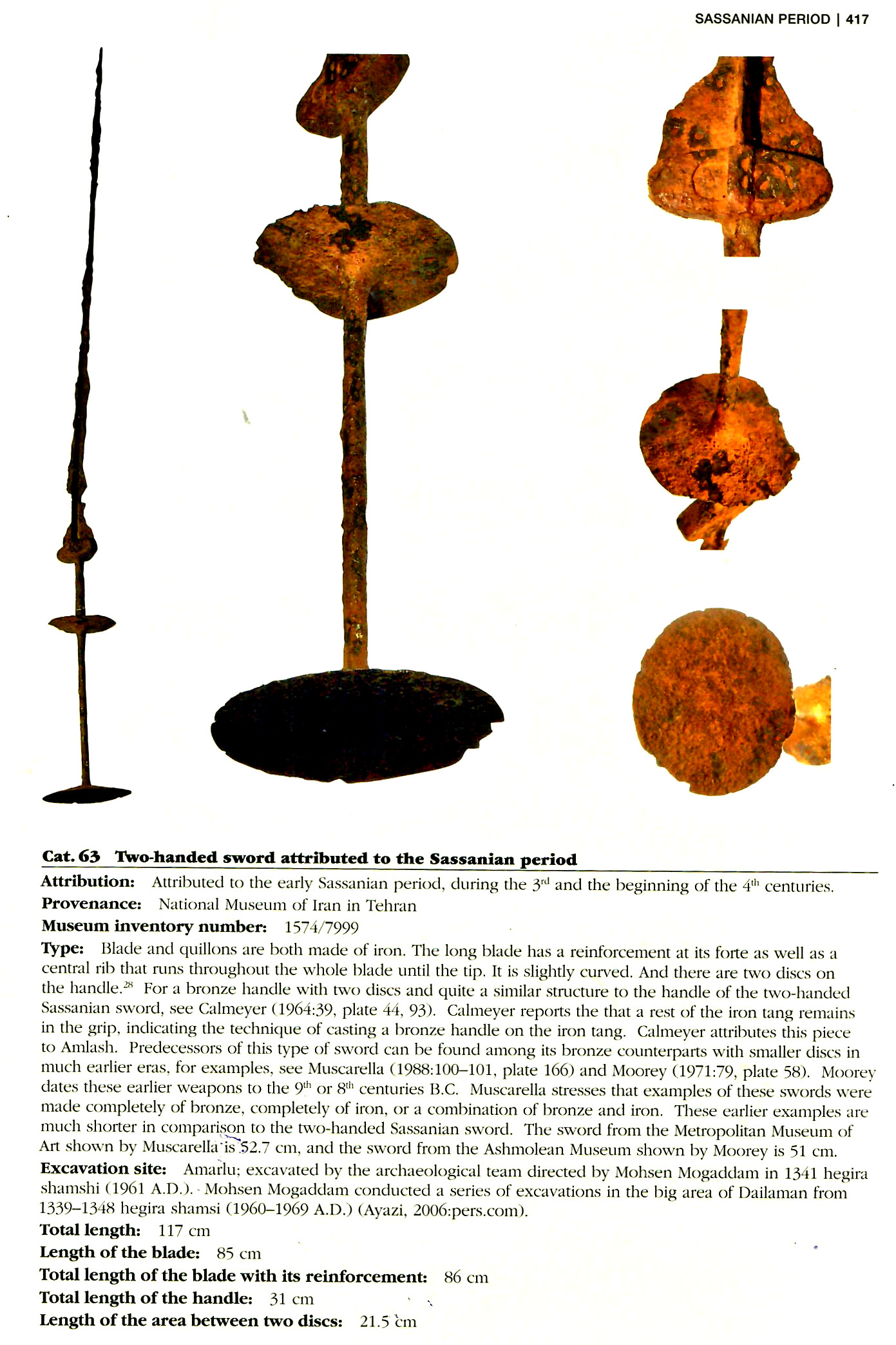
Here is another one from Khorasani’s book. Iron in this case and heavily corroded. Dated to 300 – 400 BC but that could be qustioned.
 
     
Where does all that leave us?
We may conclude that double disc dagger or swords enjoyed some prominence for hundreds of years. Their popularity carried over form the bronze age to the iron age.
But why? What is the use of the “double d
iscs” dividing the hilt into two parts? Maybe it was just fashionable.
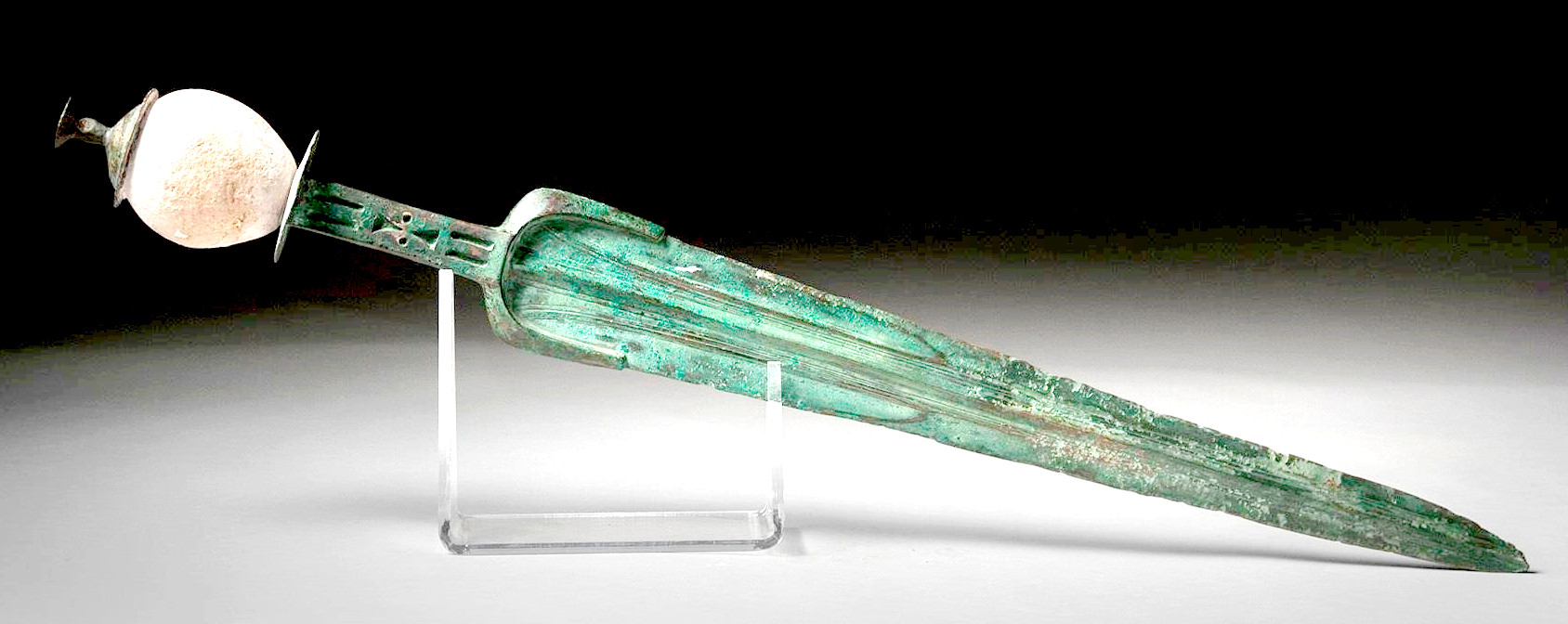
Pondering this question we need to consider that the hit must have been container some enlargement for a proper grip. The thin metal rod connecting the discs just does not allow for a firm hold. For the dagger discussed her, the actual “handle” would have been on the lower part of the divided hilt. The upper part then might have been decorated in some fancy way. We have an example for that:
 
Pininterest picture. No details given
 
What the decorative “egg” consists of and how it could be placed between the discs, I don'’t know.
 

With frame With frame as PDF

go to First Iron Swords - Luristan Type 1 Iron Swords

© H. Föll (Iron, Steel and Swords script)