| |
Museums in the Balkan |
| | Preface |
 |
Discussing all the museums you can find in the Balkan, i.e. in countries
like Bulgaria; Moldova, Romania, Slovenia, Serbia, and so on, would be a tall task. I’m not even remotely up to that.
All I can and will do here, is to give a small impression of what I saw in some museums I visited in 2025.
Moreover;
I will pretty much limit myself to whatever the museums had to offer with respect to the “Danube
Culture” covered elsewhere in the hyperscript. Ans I will keep it very short. |
|
 |
These museums I have visited:
- Belgrad (Serbia) National Museum
- Lepenski Vir (Serbia) National Museum; Muse of Lepenski Vir
- Nessebar
(Bulgaria) Archaeological Museum
- Novi Sad (Serbia) The Museum of Vojvodina
- Rousse (Bulgaria) Regional Historical Museum
- Sofia (Bulgaria) Museum of National History
- Sofia (Bulgaria) National Archaeological Museum
- Varna (Bulgaria) Archaeological Museum
- Vienna (Austria) Naturhistroisches Museum
|
|
There are many more museum, of course. I like to mention:
- The National History Msueum of Romania
in Bucharest, which was closed when I was there. It contains, among other things, the “Thinker of Cernavoda &
The Sitting Woman of Cernavoda; the amazing ceramist highlighted here
- The Cucuteni Neolithic Art Museumin
Piatra Neam that also exhibited some of the objects shown in the Danube culture module.
- The Cucuteni Archeological Site Museum close to Târgu Frumos.
|
| | |
|
| |
Serbia National Museum in Belgrad |
|
The Serbian National Museum in Belgrade is a must for aficionados
of the Danube culture. It contains countless interesting objects, including stuff from Lepensky Vir. The display of the
objects seems to be fairly new and well lit. Plenty of explanations and a time line you can follow: |
| |
|
|
|
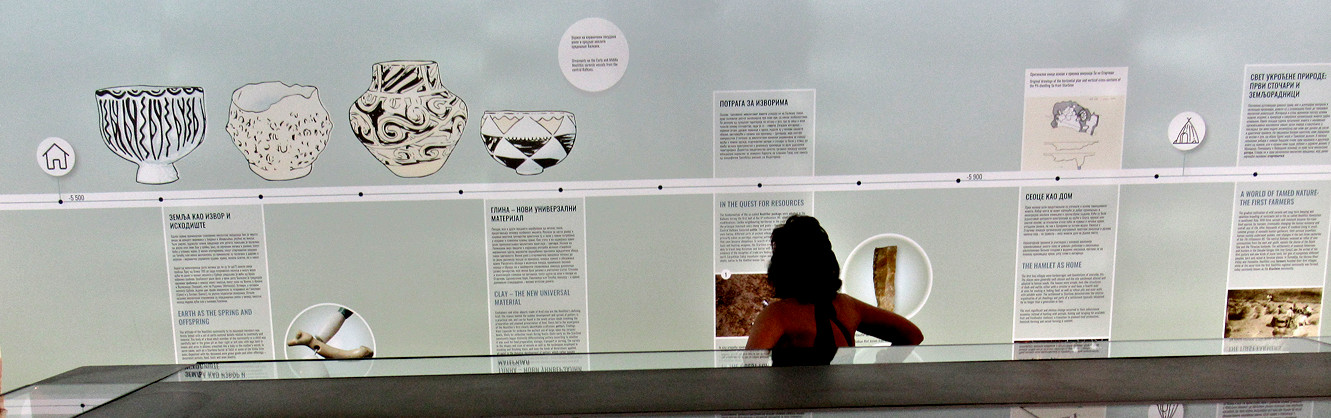 |
| Time line with explanations on the wall |
| Source: Photographed in Belgrade 2025 |
|
| | |
|
|
|
I’m showing just a few of the ojects; there are many more. The museum is
not just for archaeology but also shows art (including a Breughel and Hironymus Bosch) and other things. |
| | |
|
| |
|
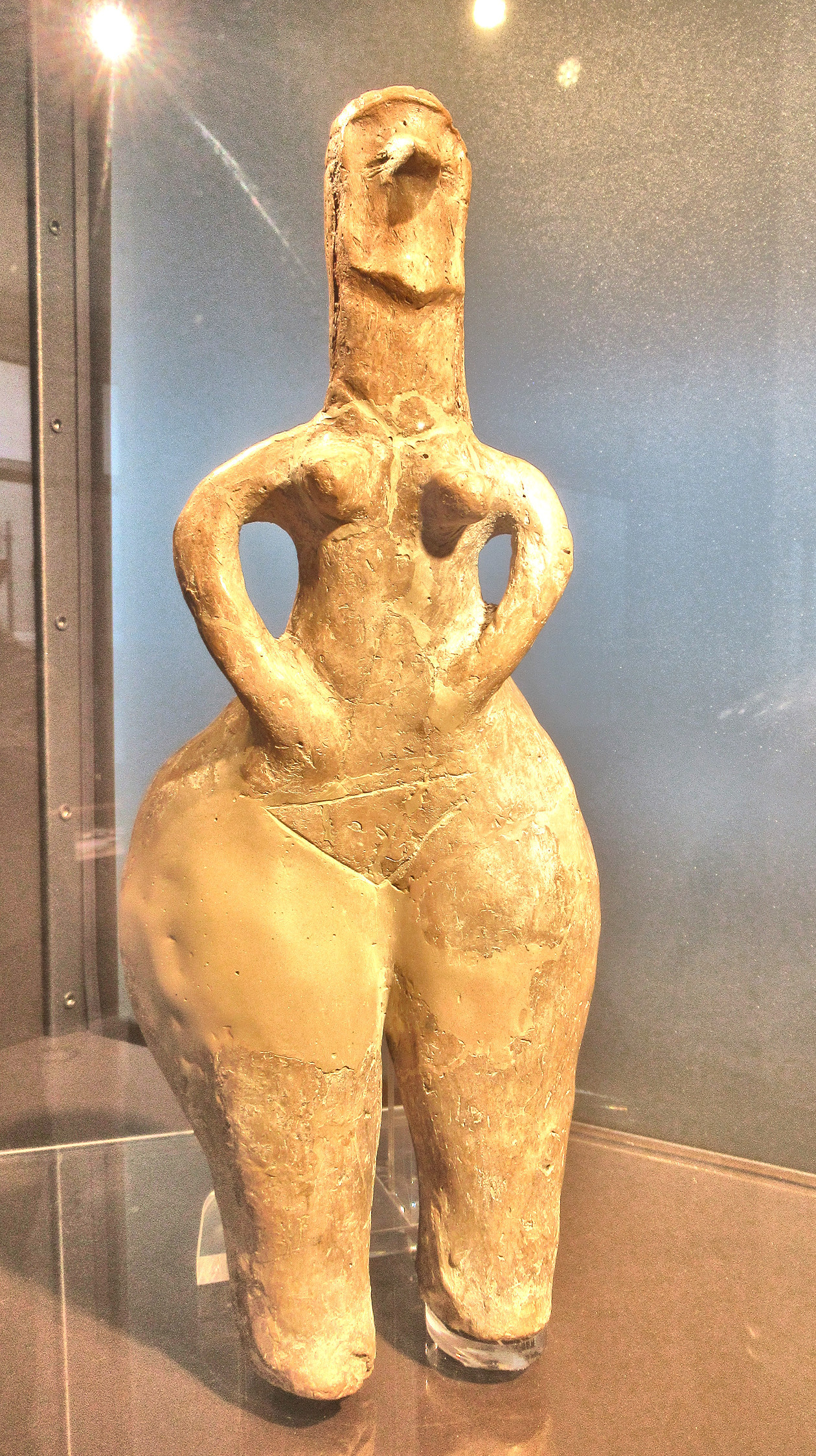 |
Anthropoid Figurine
No! It is actually a figurine of the Starcevo Deronje culture, see below under "Novu Sad".Starcevo culture
is an archaeological culture of Southeastern Europe, dating to the Neolithic period between c. 6200 and 4500 BCE.
| | Source: Photographed in Belgrade 2025 |
|
| | |
|
| |
|
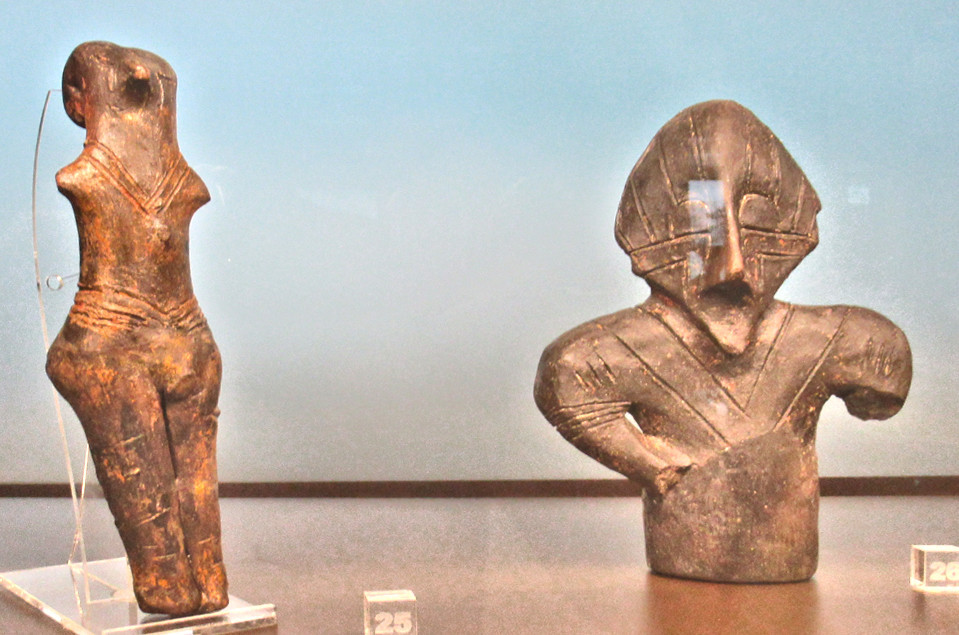 |
| Vincwe figurines, avbout 4800 - 4500 BC |
| Source: Photographed in Belgrad a 2025 |
|
| | |
|
|
They also had plenty of copper things; some even restored to their
original appearance (never done in Western Museums) plus good texts to go with it. |
| | |
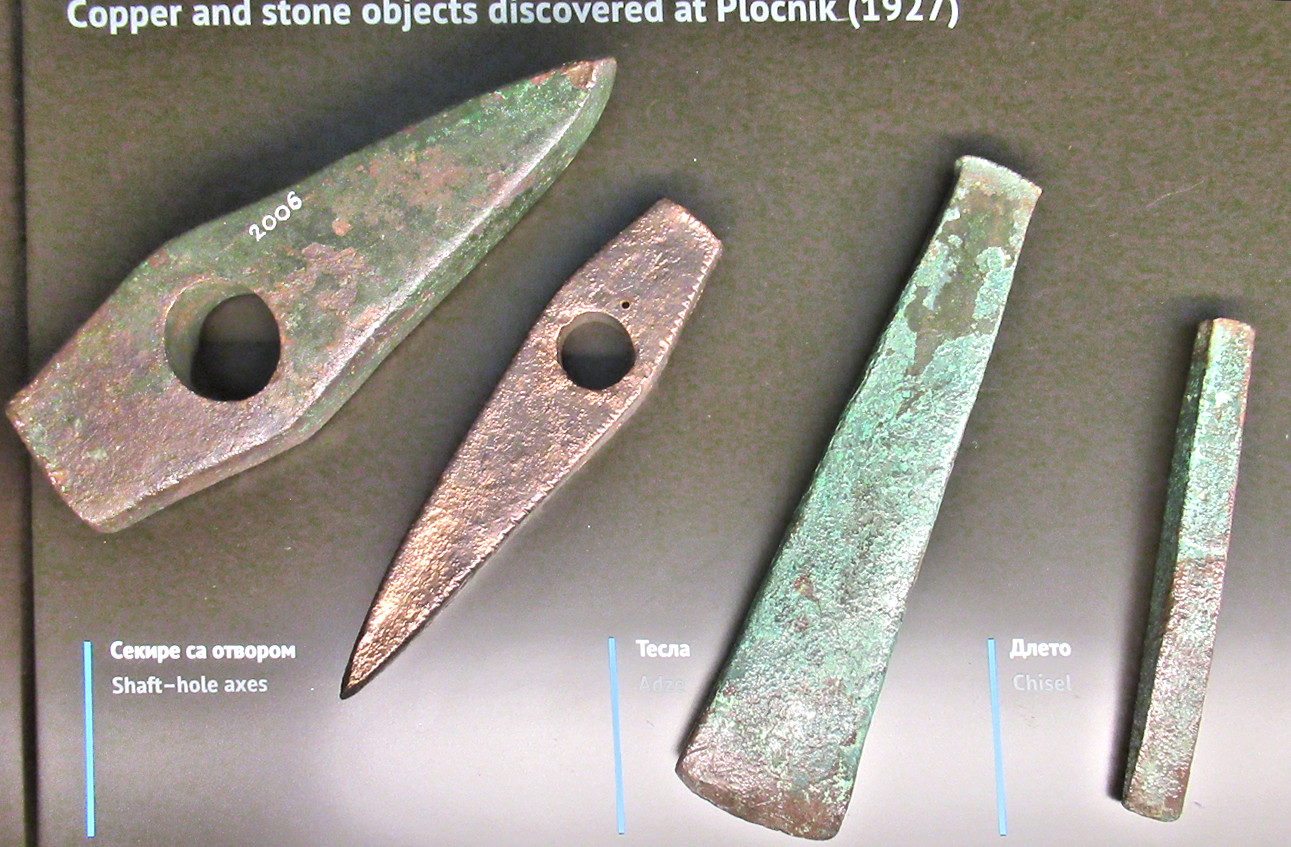 |
| Copper tools |
| Source: Photographed in Belgrade 2025 |
|
| | |
|
| | Lepensky Vir
|
|
Lepensky Vir in Serbia shows the remains of a neolithic settlement
that existed between 9500/7200 and 5500 BC. The site is covered by a spectacular building. |
| |
|
|
|
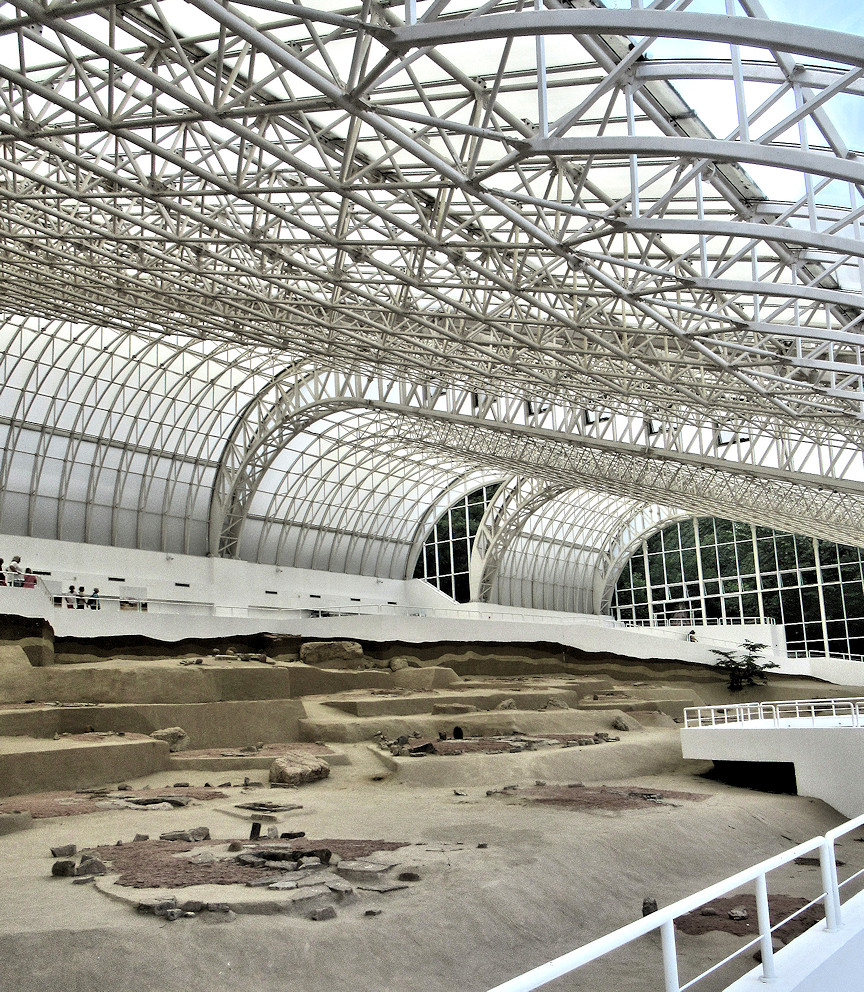 |
| A remarkable roof construction covers the remains of the neolithic settlement
| | Source: Photographed in Lepensky Vir 2025 |
|
| | |
|
|
|
The huts of the stone age people contained humanoid sculptures of “Fsh head
Gosds |
| | |
|
| |
|
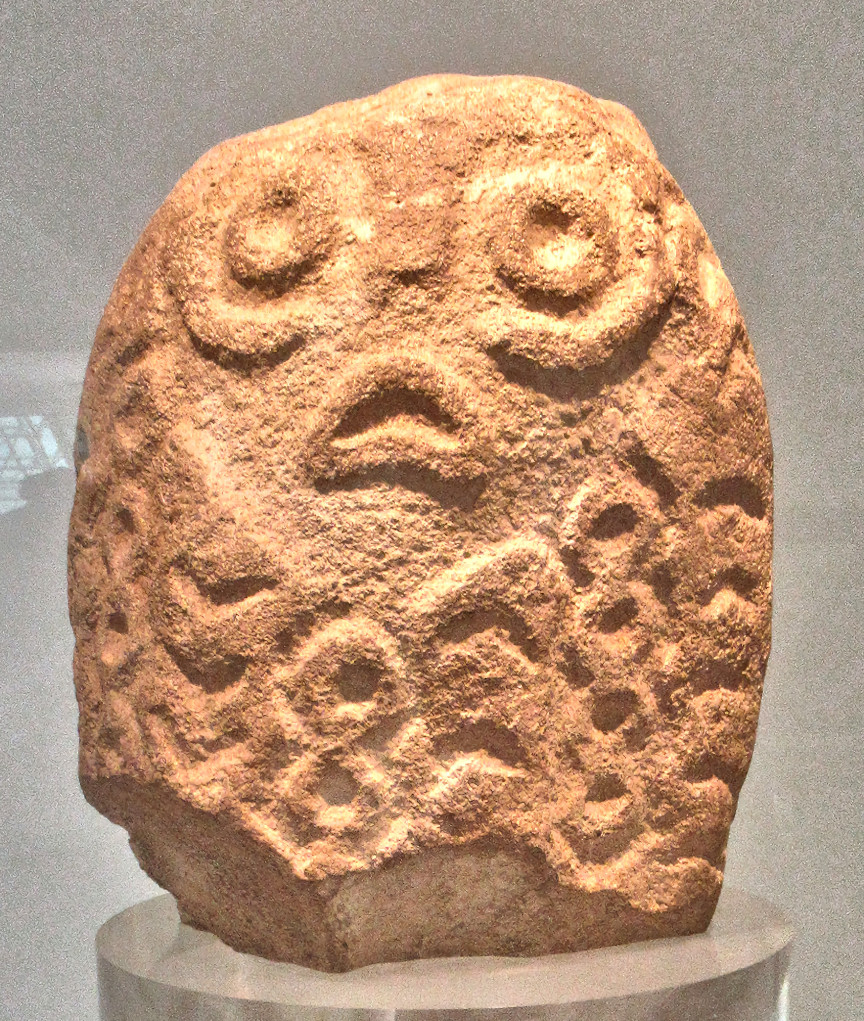 |
| A Fish-head God . |
| Source: Photographed in Lepensky Vir 2025 |
|
| | |
|
|
We have seen these Gods before in the Belgrad Museum: |
| |
|
| | |
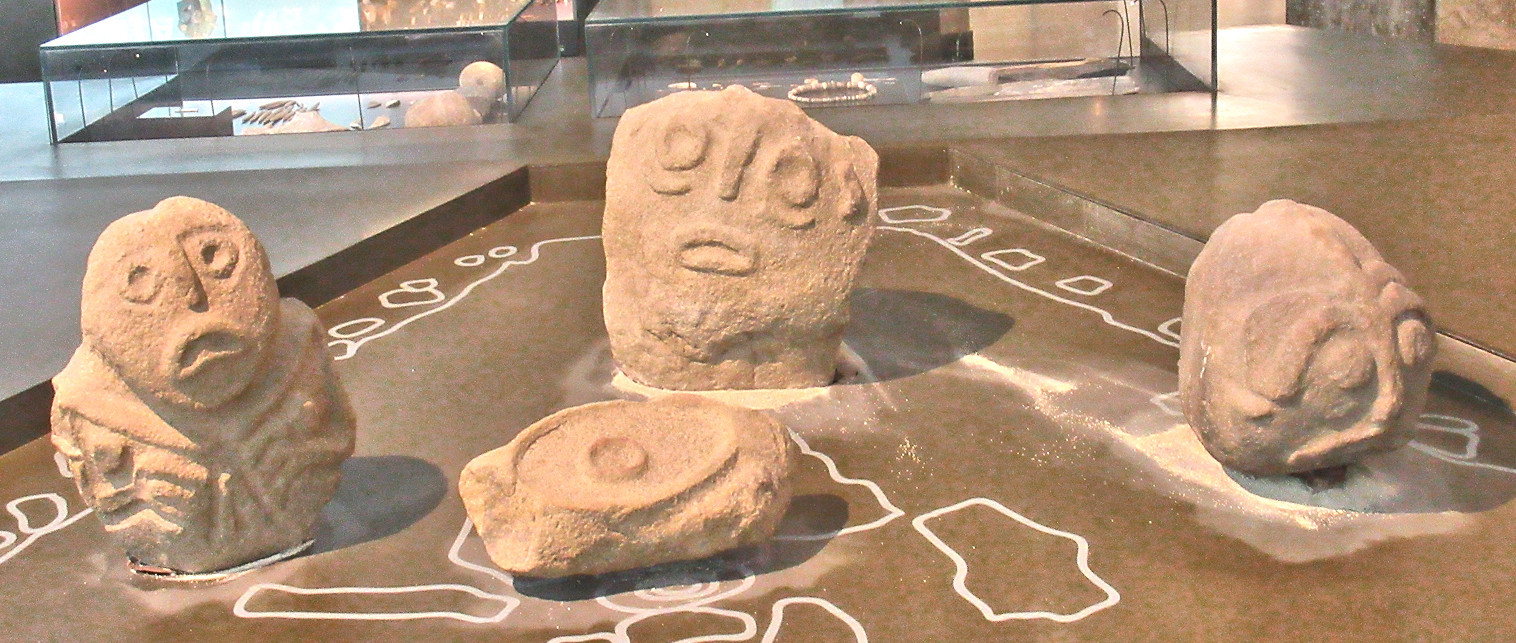 |
| Fish head gods in ihe Belgrad Museum: |
| Source: Photographed in Belgrad 2025 |
|
| | |
|
| |
|
Having the same object displayed in two museum (one then usually the “National”
Museum) seems to be quite commoner in the Balkan. One of the object is obviously a coy but it is not always clear which
one that is.
It is also quite common to restore objects by “plastering over” misusing parts. It is cunningly
done and you won’t always notice. In the West that would be heresy but I actually quite like it. |
|
Below some Fish Gods displayed in the museum: |
| | |
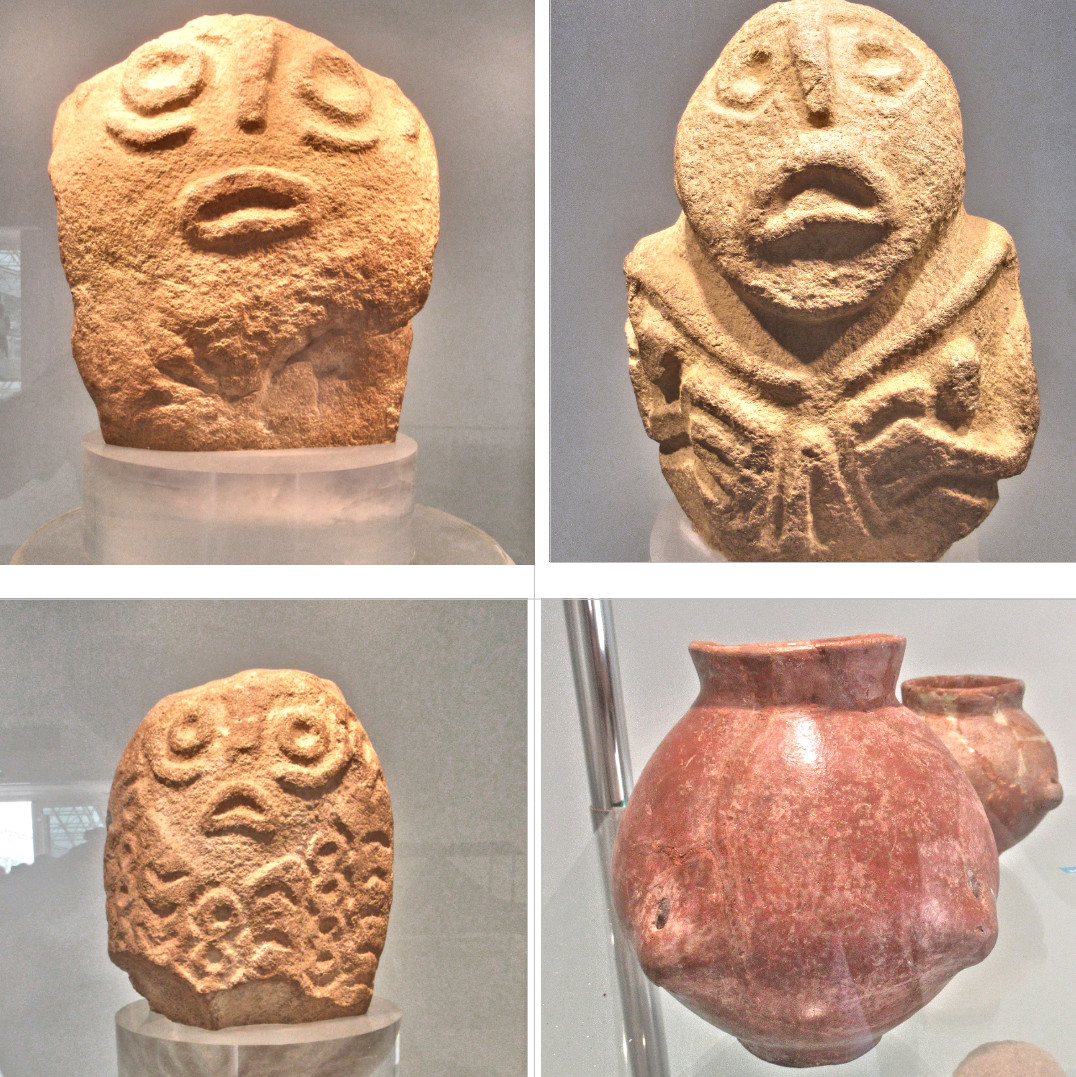 |
| Fish head gods and a pot |
| Source: Photographed in Lepensky Vir 2025 |
|
| | |
|
| |
|
Fish head gods (?). and quite nice pottery. The museum features all the other
stone age tools and things which I will spare you. The population lived almost exclusively from fishing (as ascertained
from an analysis of what was found in the mittens (=ancient garbage dump / toilet)
The fish heads gods here are copies,
the originals we had already seen in the Belgrade museum. Or is it the other way aroundß? |
| | |
|
| Nessebar
(Bulgaria) Archaeological Museum |
|
Nessebar is a small "museum" town on the Black Sea coast
in Bulgaria. It features a number of picturesque churches, some Roman ruins, and a small archaeological museum that contains
amazing objects. Right at the entrance you find this pot just standing there. |
| |
|
| |
|
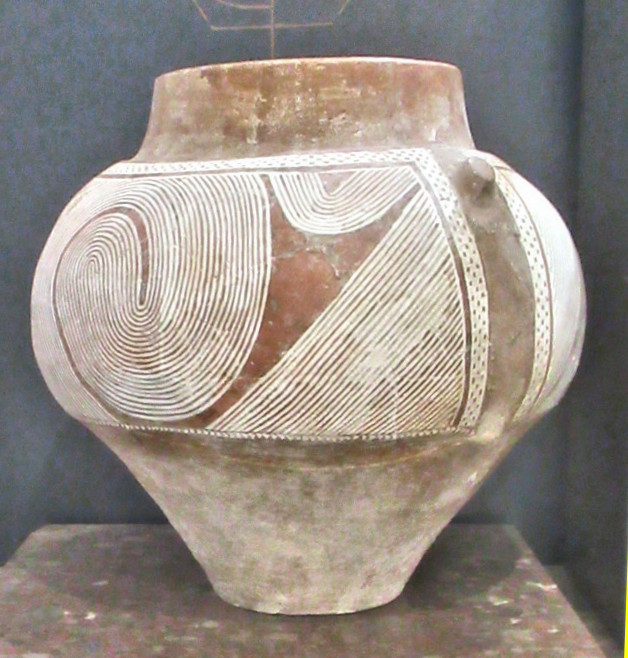 |
| Large pot just standing there looking rather perfect and new.
| | Source: Photographed in Nessebar2025 |
|
| | |
|
|
|
This pot is about 7000 year old and comes
from Kozareva Mogila; a settlement and necropolis in the West Black Sea region |
| | |
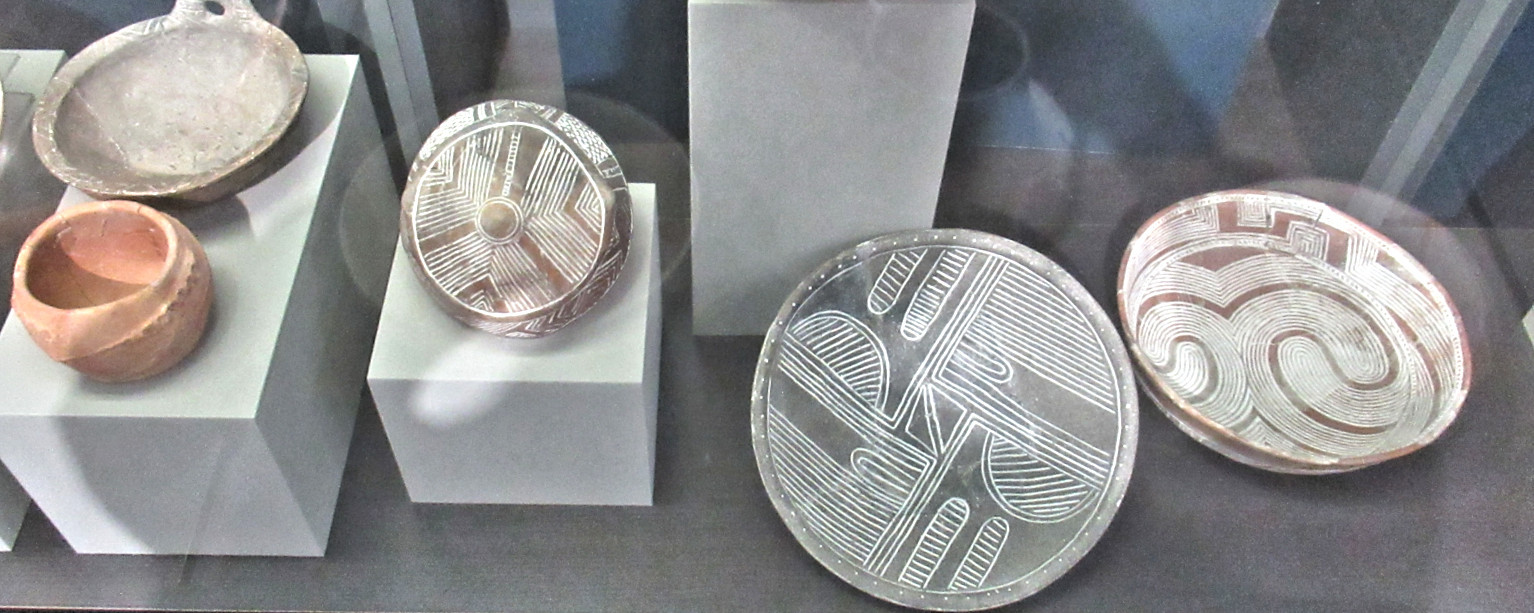 |
| Plenty more of very old high-quality pottery. |
| Source: Photographed in Nessebar2025 |
|
| | |
|
| |
|
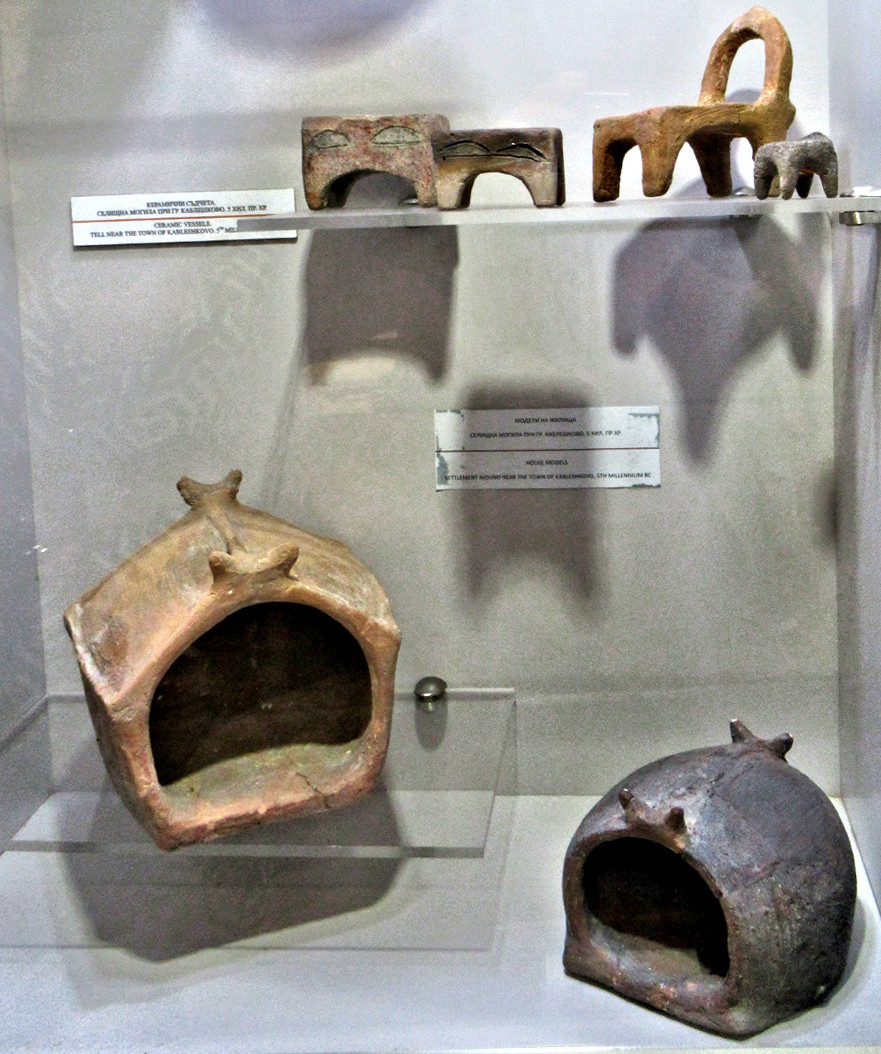 |
Ceramic models of ???
House modes from the 5th millennium BC. |
| Source: Photographed in Nessebar2025 |
|
| | |
|
|
They also had newer stuff like lots of gold jewelry form the Mesammbrian
necropolis (4th - 3rd century BC) |
| |
|
| | |
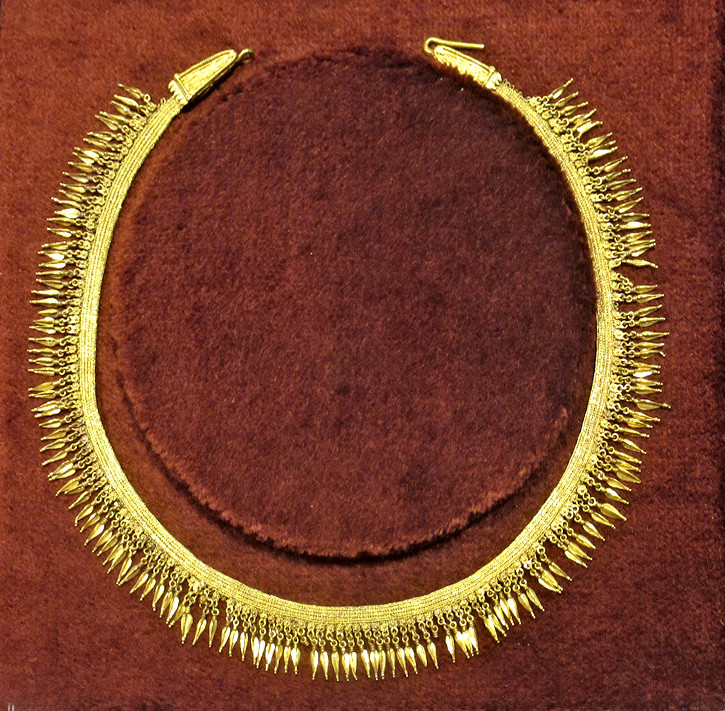 |
| Extrtely finely made gold necklace |
| Source: Photographed in Nessebar2025 |
|
| | |
|
| |
Museum of Vojvodina in Novi Sad; Serbia |
|
Novi Sad in Serbia features the “Museum of Vojvodina" that
contains may objects of interest here. Don’t miss it when you are in the area.
Here we have an old acquaintance
from the Belgrade museum shown above. Here we have probably the orpginal, note the patches from restoration. |
| |
|
|
|
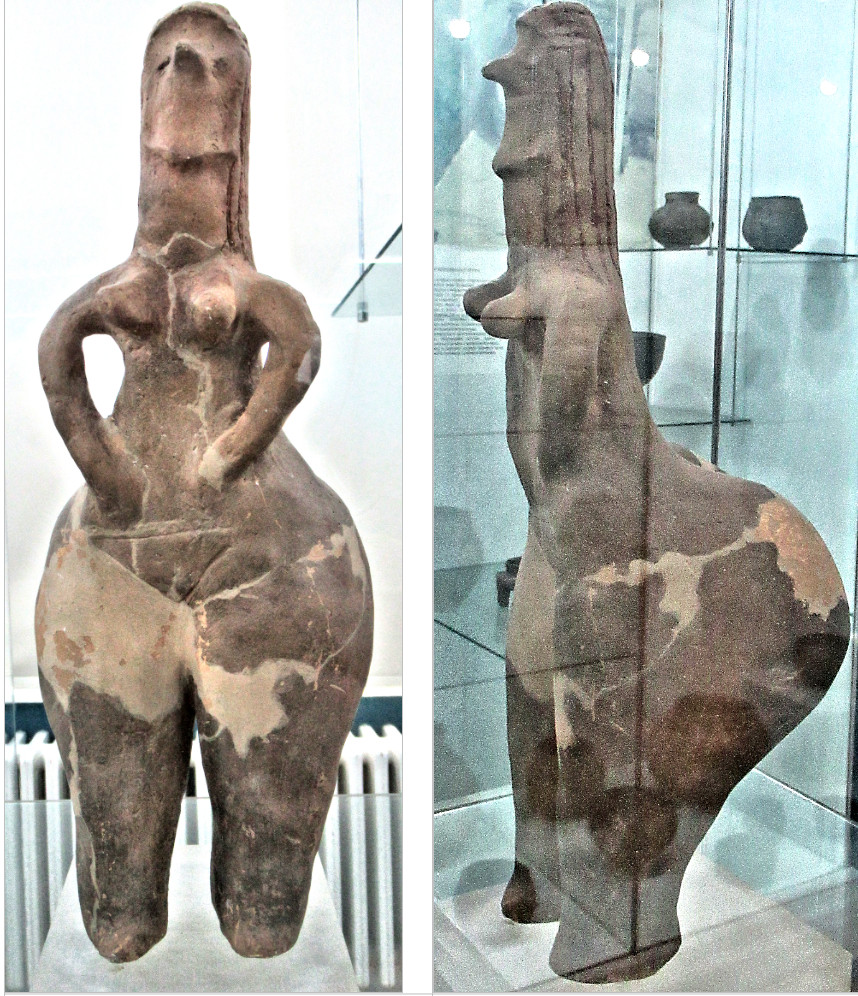 |
Figurin Deronje, Donja Branjevina .
The description is not overly
illuminating, though | | Source: Photographed in Novi Sad 2025
|
|
| | |
|
| |
|
Figurine of the Starcevo Deronje culture; says the museum The Starcevo culture
is an archaeological culture of Southeastern Europe, dating to the Neolithic period between c. 6200 and 4500 BCE. It is
one pf the oldest; see the article. |
| |
| |
| | |
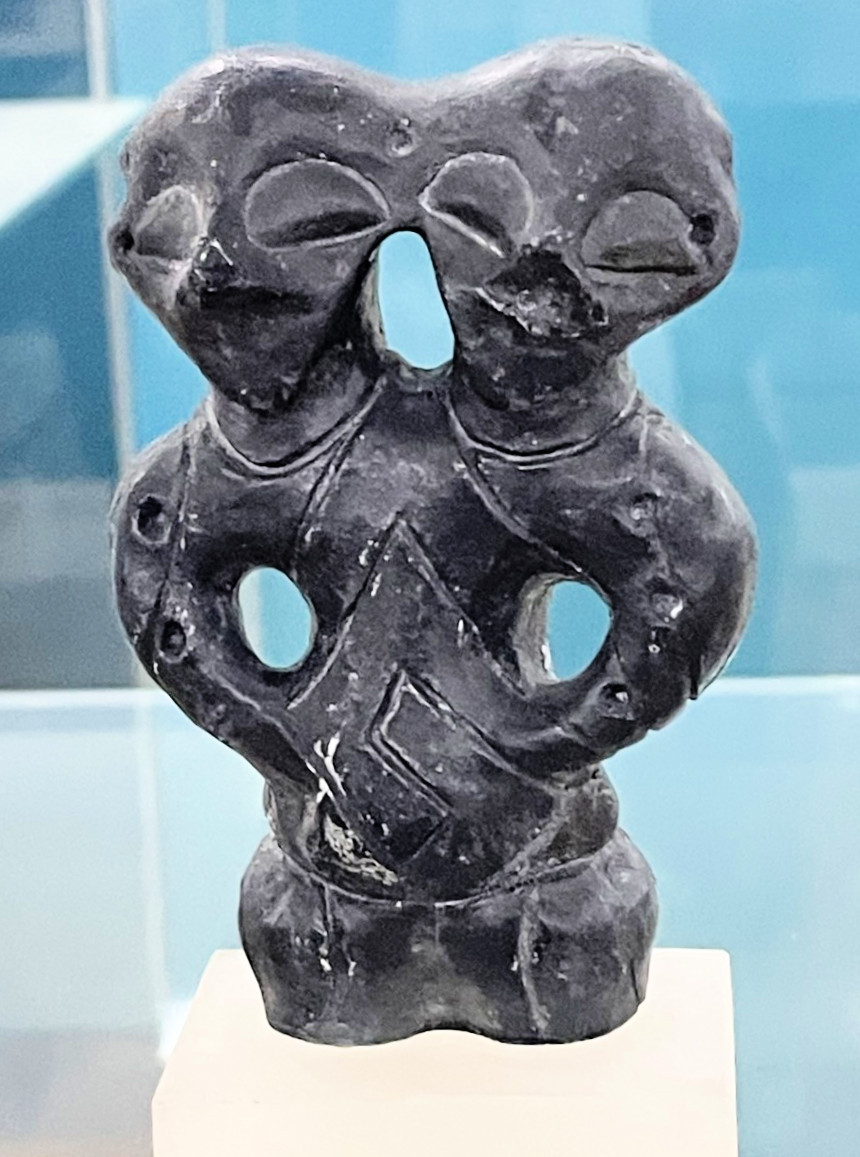 |
Double-headed figure from Gomolava-Hrtkovci, Serbia.
Vinca-Plocnik Culture, Late Mesolithic (5th mill. BC) Archaeologists still debate what it means |
| Source: Photographed in Novi Sad 2025 |
|
| | |
|
| |
|
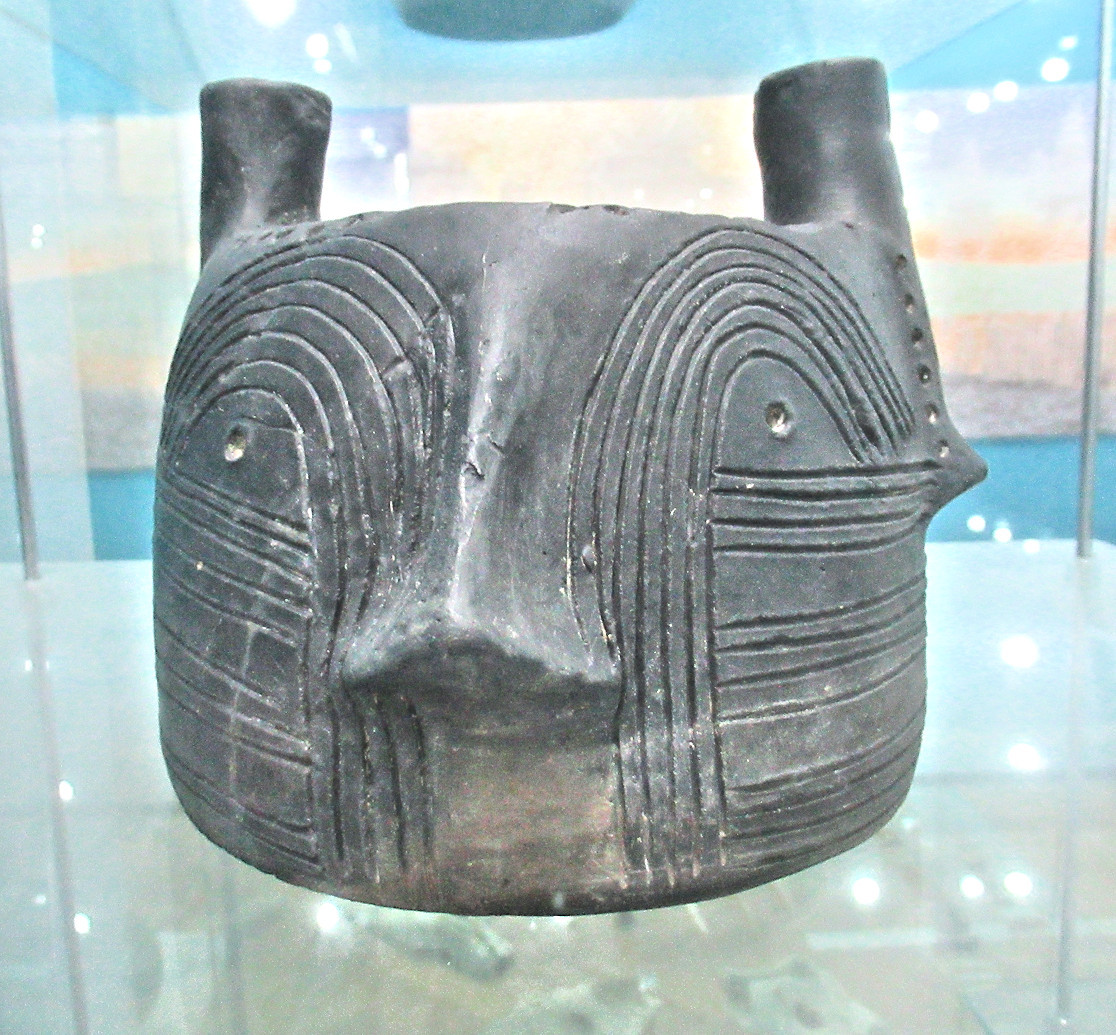 |
| This beauty is also from he Vincaa culture |
| Source: Photographed in Novi Sad 2025 |
|
| | |
|
|
The pride and joy of the museum, however, are Roams helmet described
as follows: “Late Roman helmet (Berkasovo/1), Berkasovo type, early 4th century. Found in 1955 near the village of
Berkasovo (Šid, Vojvodina, Serbia)” |
| |
|
| | |
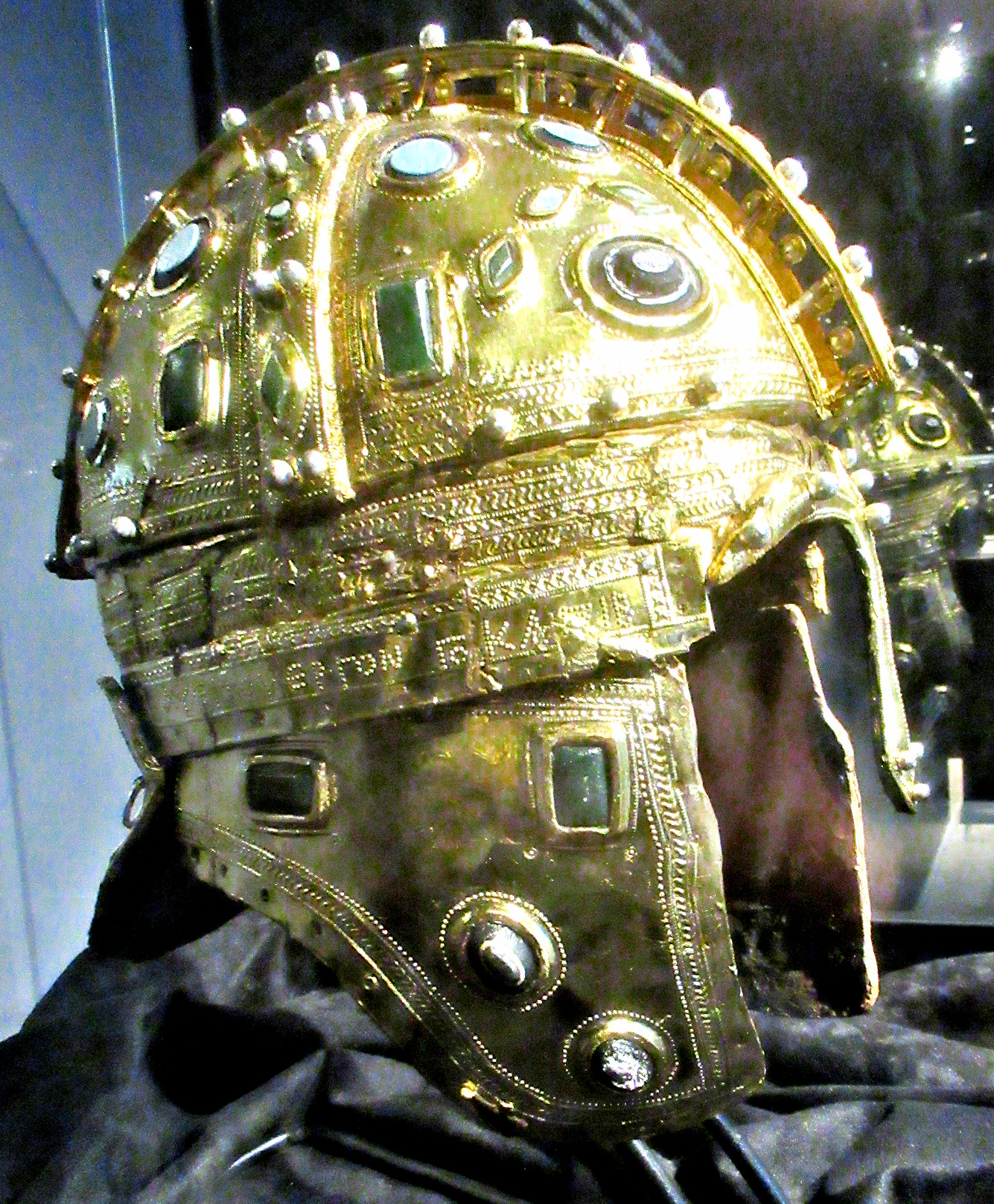 |
| The pride and joy of the museum. |
| Source: Photographed in Novi Sad 2025 |
|
| | |
|
| |
|
Could that be for real? The very knowledgeable guide who had given us a lot of
information about the Danube culture etc. declined comment when asked how much restoration was needed. “It is the museum
policy not to talk about this” he declared. |
| |
| |
| |
Rousse; Regional Historical Museum |
|
It’s not only the Regional History Museum that is a must to see,
it is the whole town! The town center and downtown Rousse is quite beautiful and a joy to behold (after it has been restored
to almost its original beauty).
The museum contains a lot of Danube culture artifacts plus quite a few other goodies
reating to early metal. .
Here are a few examples: |
|
| |
| |
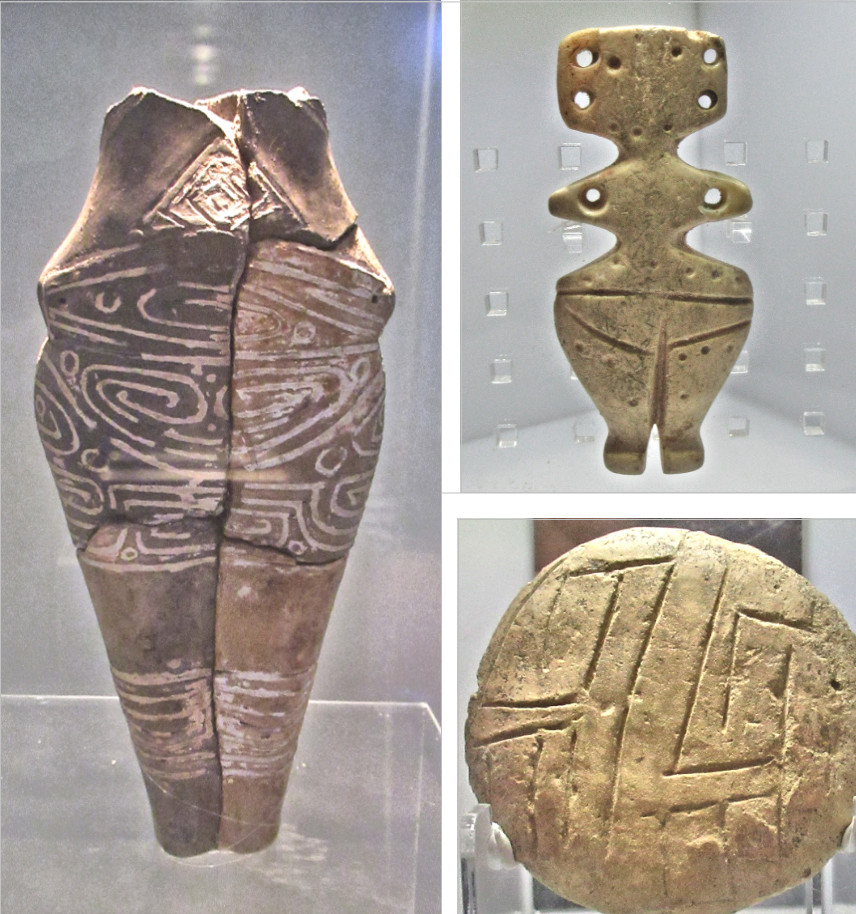 |
Plenty of objects like these are in the museum. Below the descriptions given
Anthropomorphous figure, pottery, Rousse tell 4550 – 4200 BC
Anthropomorphous figure, bone, Kosharna tell
4450 –3000 BC
Disc with sign, pottery, Koprivest neolithic settlement, 5300 – 5000 BC. |
| Source: Photographed in Rousse 2025 |
|
| | |
|
|
|
The object on the lower right is some kind of seal stamp. Does it hint at an
early kind of script? |
| |
| |
| | |
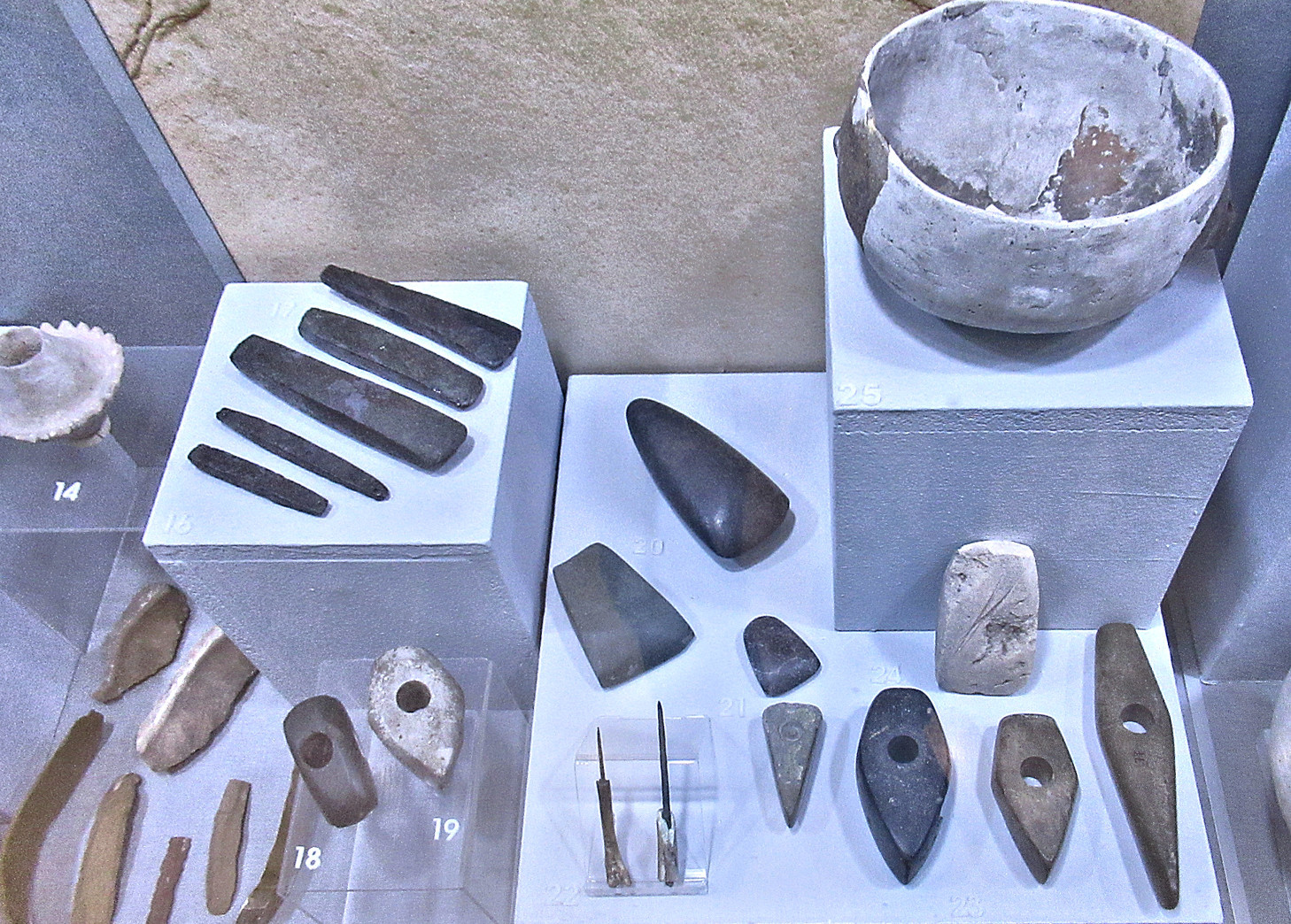 |
| Copper ansd stone tools from around 4500 BC |
| Source: Photographed in Rousse 2025 |
|
| | |
|
| |
|
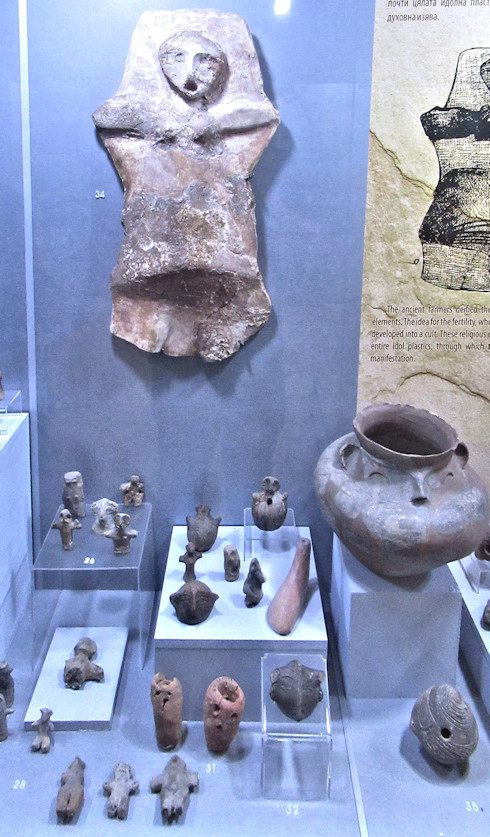 |
| Most, if not all the stuff, is from the Rousse tell; 4500 - 4200 BC
| | Source: Photographed in Rousse 2025 |
|
| | |
|
|
Plenty of small things, some quite relarkaboe. |
| | |
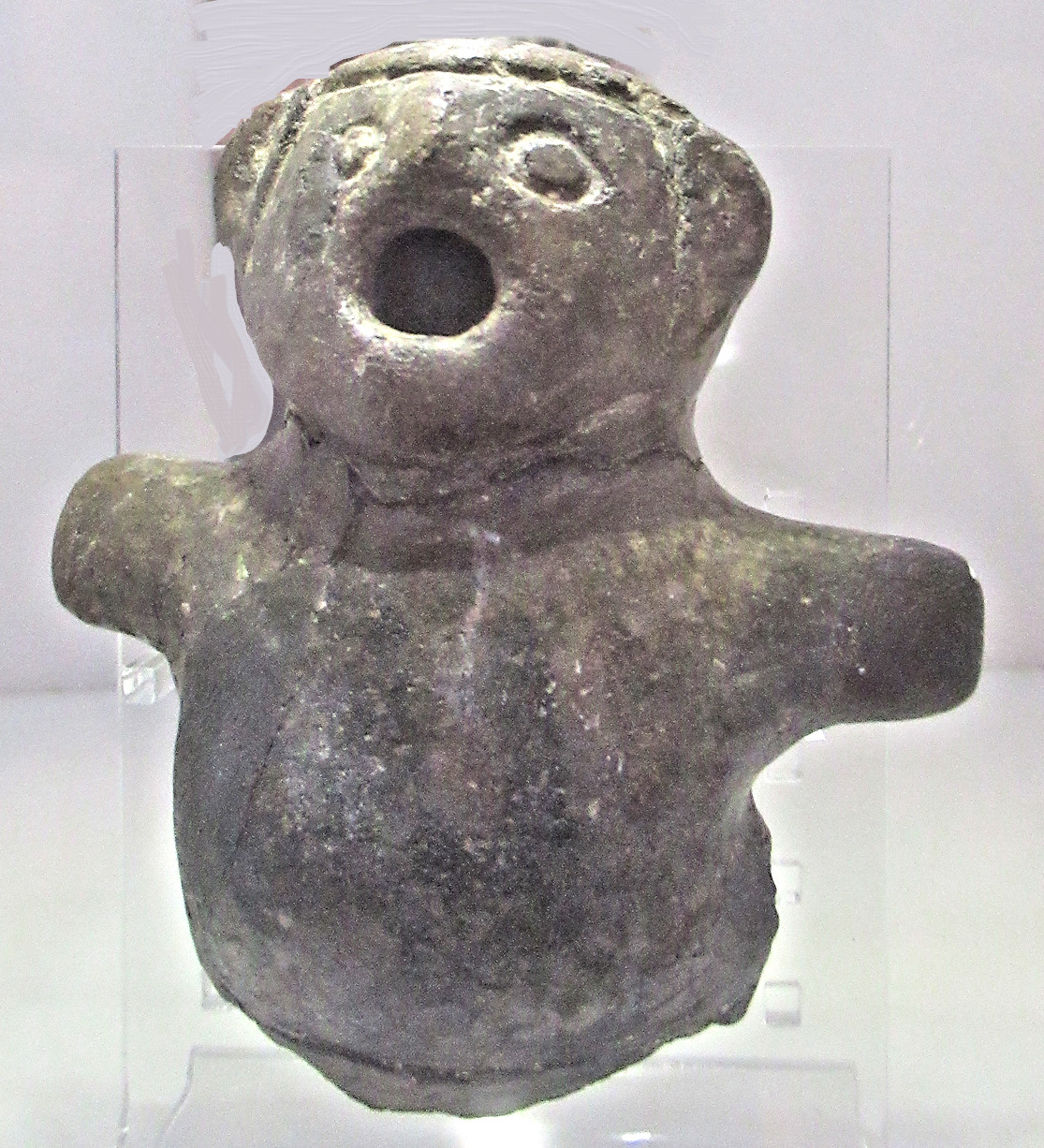 |
Help!!!
Anthropomorphous figure, pottery, Rousse tell 4550 – 4200 BC. |
| Source: Photographed in Rousse 2025 |
|
| | |
|
| |
Museum of National History in Sofia (Bulgaria) |
|
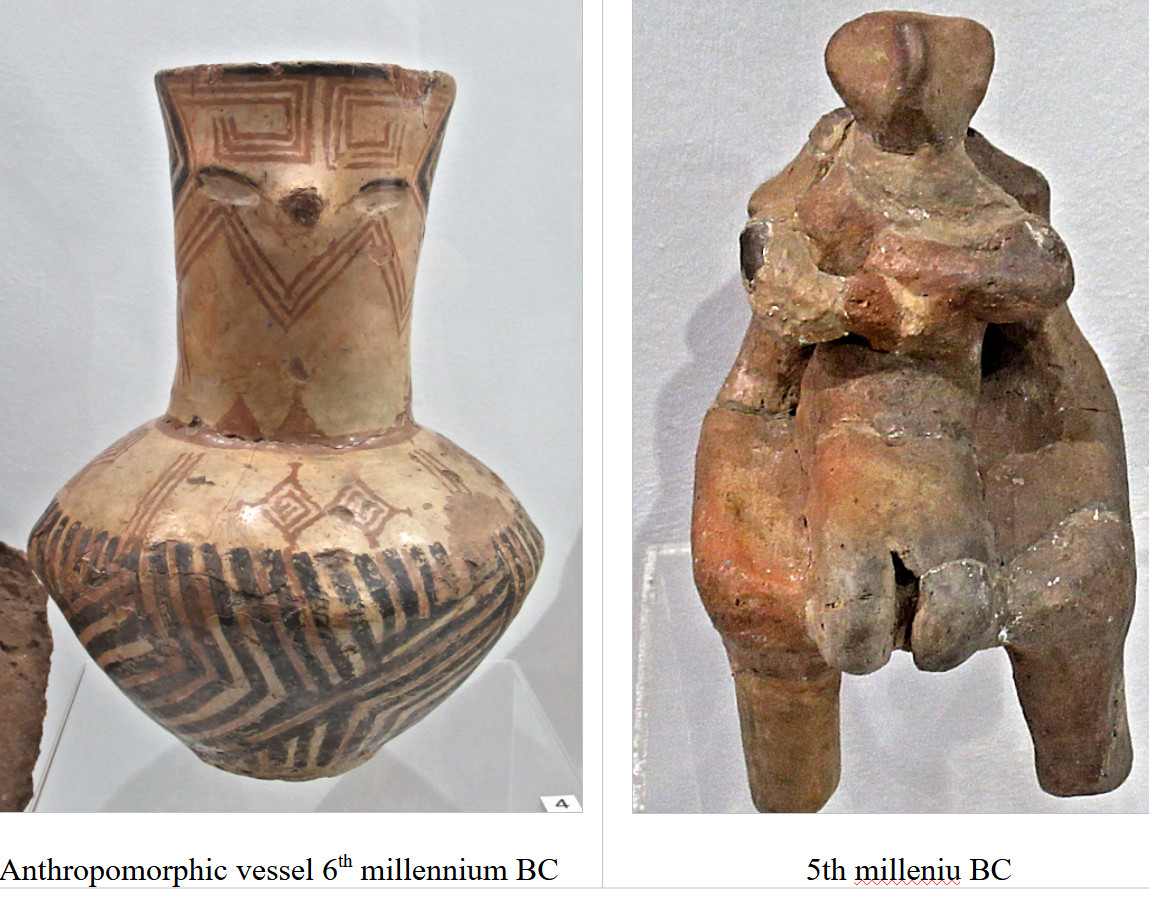
The museum contains artifacts from all over to, well, document the
national history. It’s quite interesting but I won’t go into this. With regard to the Danube culture, the things
they have ties right in with the plenitude if objects found in the Archaeological Museum in Sofia (see blew). |
| |
|
| |
|
 |
| Source: Photographed in Sofia 2025 |
|
| | |
|
| |
|
The female figure may relate to fertility and not to what you thought.
The
ceramics are very impressive, witness this very beautiful and perfectly preserved 6000 - 7000 year old pot. |
| | |
|
| |
|
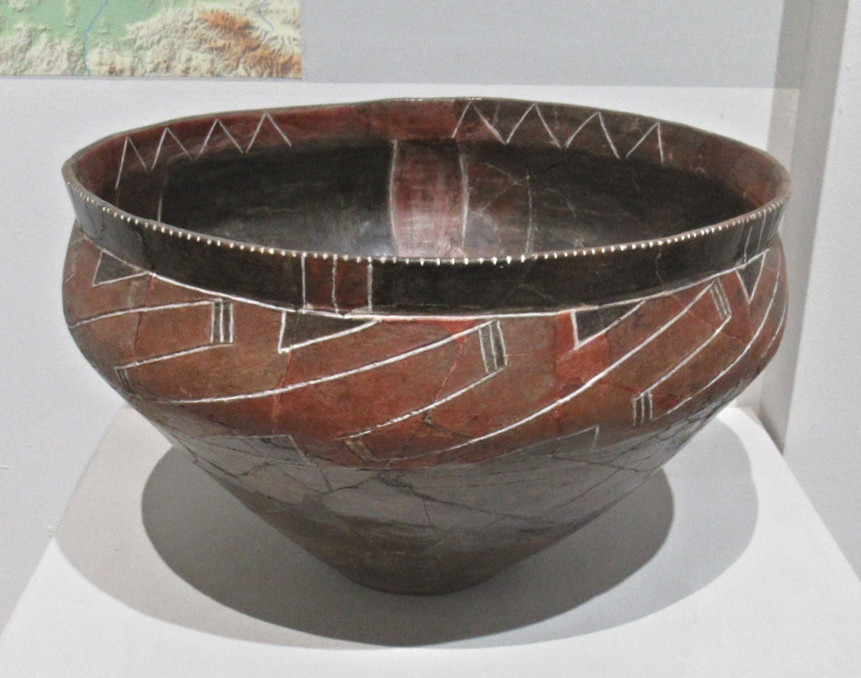 |
| A 6000 - 7000 year old object of beauty . |
| Source: Photographed in Sofia 2025 |
|
| | |
|
|
|
You also find the metal objects from around 5000 BC |
| |
|
| |
|
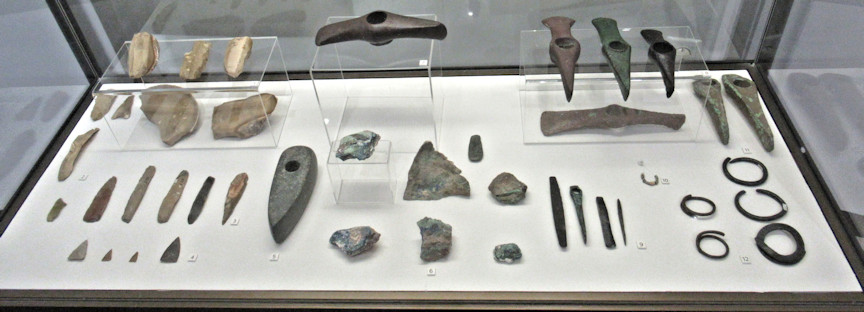 |
| Copper tools 5th millenium BC . |
| Source: Photographed in Sofia 2025 |
|
| | |
|
|
Besides objects relating tot the Danube culture, you will also encounter
good stuff relating the “sword” topic. They even ha
scythe swords,,often used then by rebellious peasants (90 % or so of the population!) but rarely preserved.
|
| | |
|
| |
|
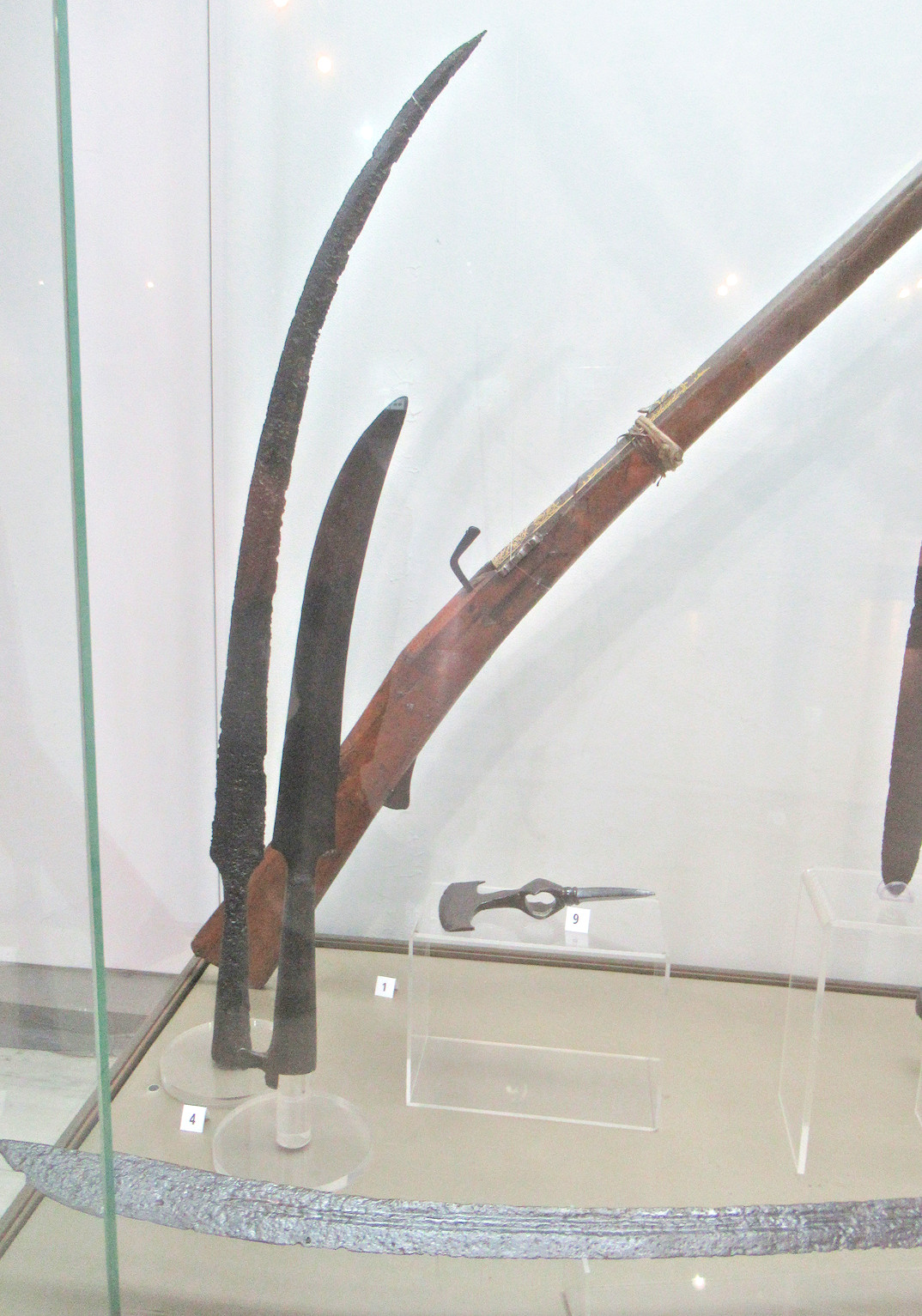 |
Scythe swords
Described as "Heads of war scythers"; 15th - 16 th century |
| Source: Photographed in Sofia 2025 |
|
| | |
|
|
Here is something I have never seen before: A wooden cannon! This
object alone tells you something about Bulgarian history. |
| |
| |
| | |
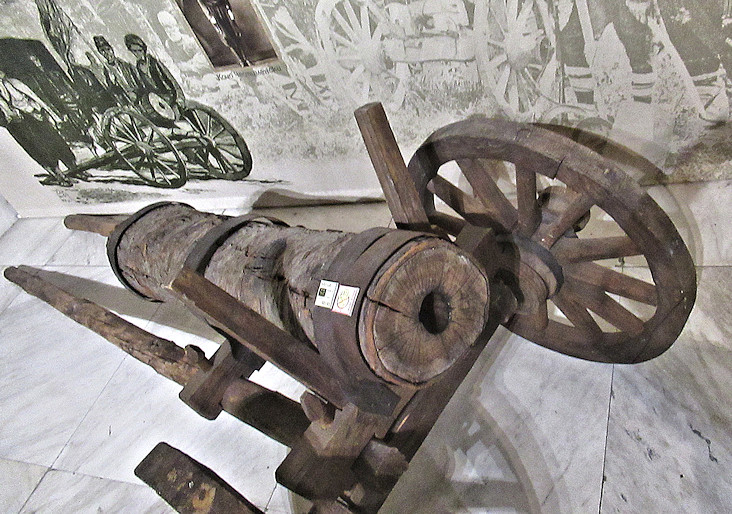 |
A wooden cannon!
Desparation and ingeniuity symolized in one object
| | Source: Photographed in Sofia 2025 |
|
| | |
|
| |
National Archaeological Museum in Sofia; Bulgaria |
|
The Archaeological Museum in Sofia is a treasure trove and an absolute
must if you ever get there. It has a big room full of “old” stuff, i.e. mostly Danube culture and plenty of breath
taking figurines |
| |
|
| |
|
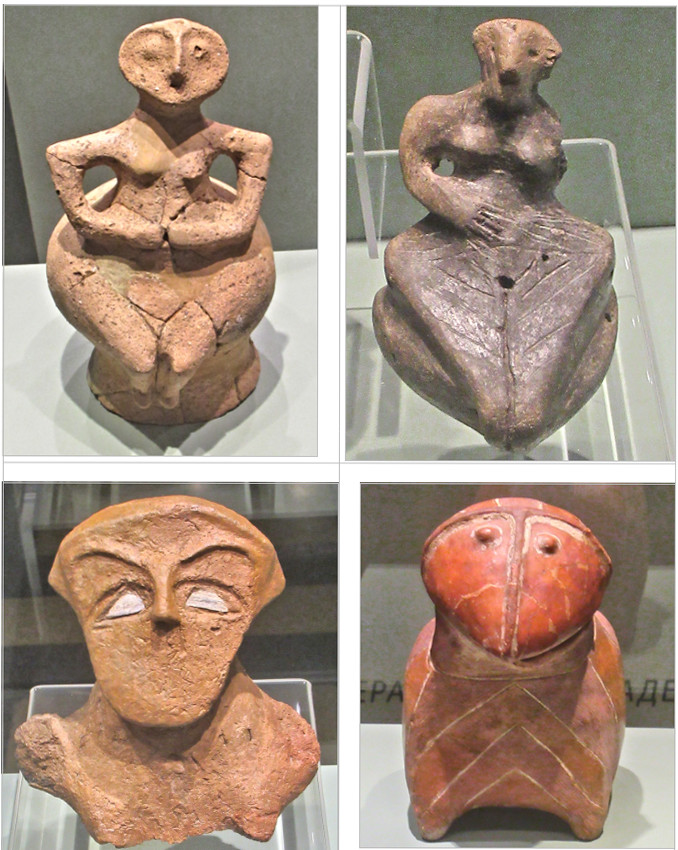 |
| "Anthropomorphic Figurines"! . |
| Source: Photographed in Sofia 2025 |
|
| | |
|
| |
|
As far as the museum is concerned, all this stuff are “anthropomorphic figurines.
OK – just around 7000 years old!
Here are some more: |
| | |
|
| |
|
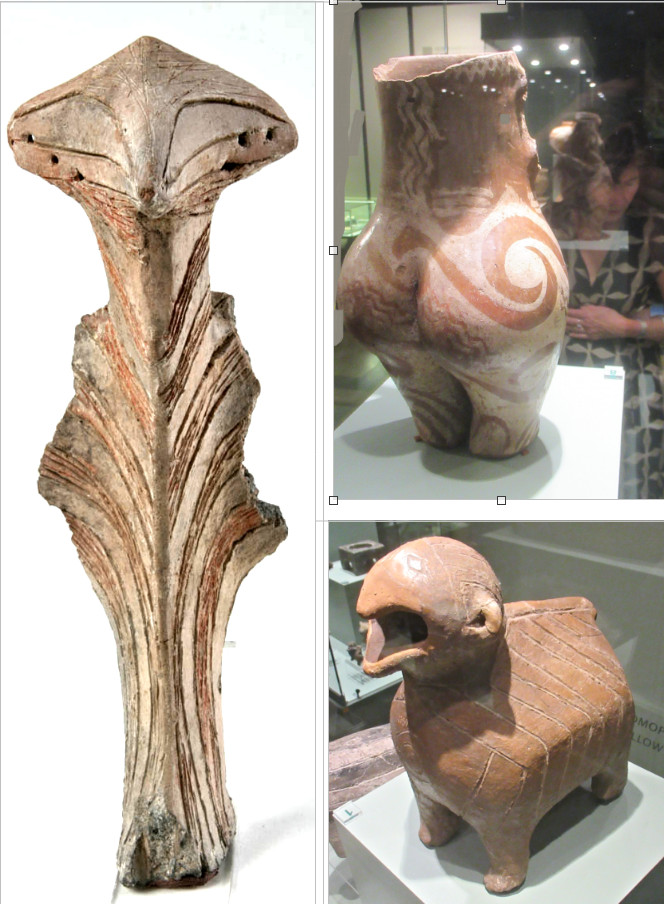 |
All that stuff is 7000 – 8000 years old!
Picasso would have been proud of the Lady at left. |
| Source: Photographed in Sofia 2025 |
|
| | |
|
| |
|
On we go: |
| |
| |
| | |
 |
| More "anthropomorphic figurines" . |
| Source: Photographed in Sofia 2025 |
|
| | |
|
|
There are also plenty of early copper tools: |
| | |
|
| |
|
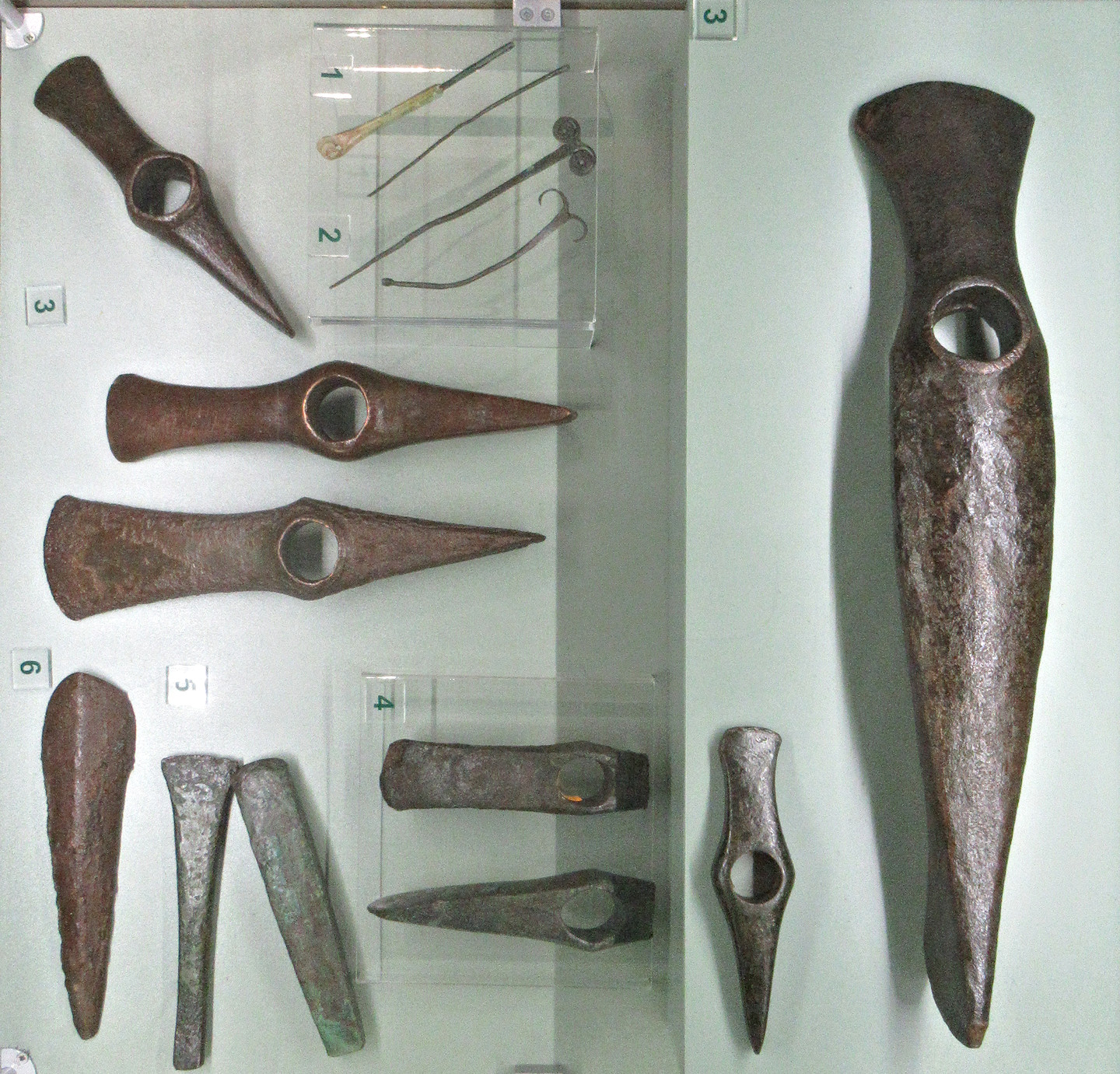 |
| Rarly copper tools . |
| Source: Photographed in Sofia 2025 |
|
| | |
|
|
The museum also features a “treasure room” and a “sword
room”, of which I only give you an impression. These gold masks are hardly 40000 years old. The swords are remarkable
but not of particular interst from the viewpoint of metallurgy. |
| | |
|
| |
|
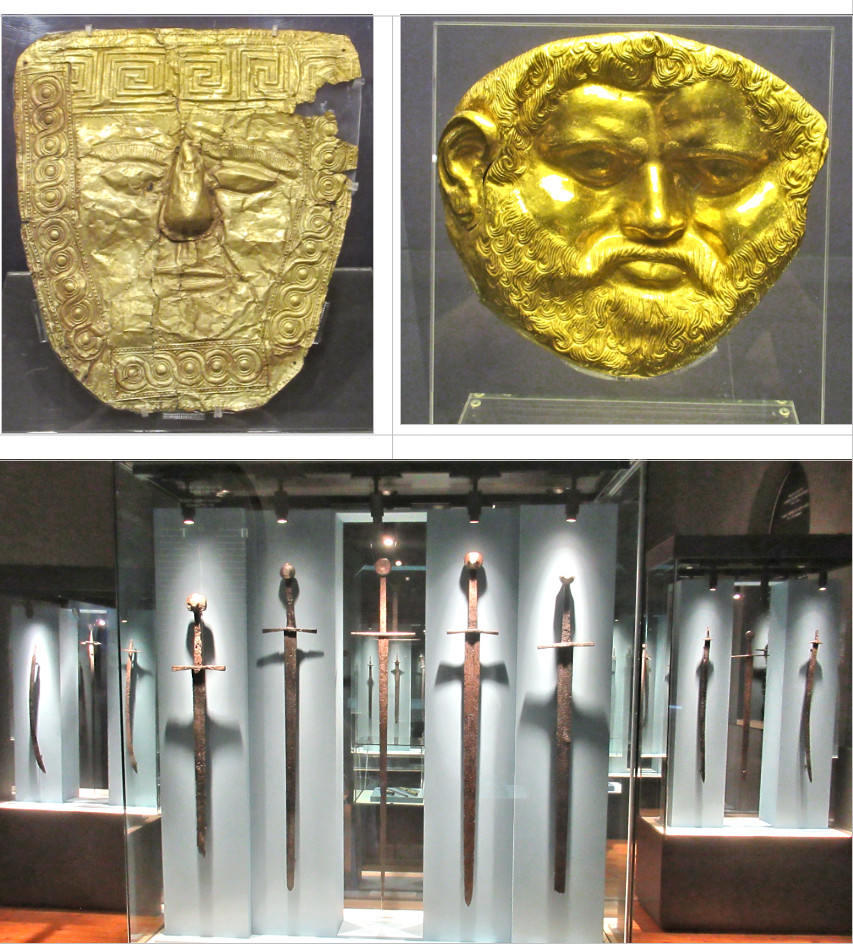 |
Funeral masks; around 6th century BC
Mixed Swords .
| | Source: Photographed in Sofia 2025 |
|
| | |
|
| |
|
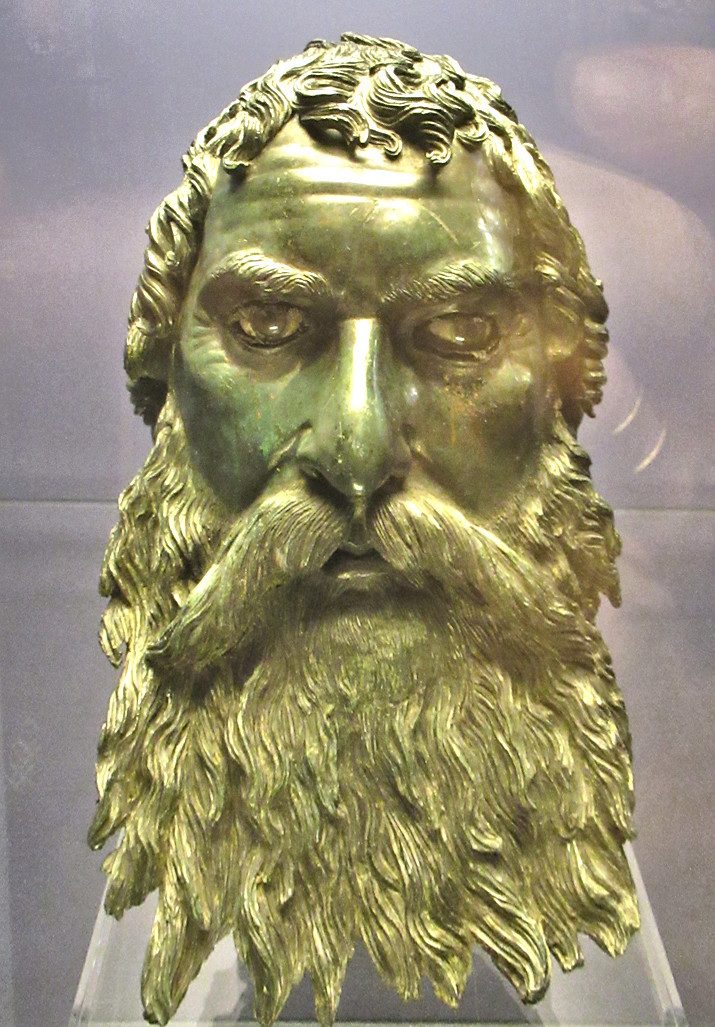 |
Important guy 4th century BC)
Rather impressive .
| | Source: Photographed in Sofia 2025 |
|
| | |
|
| |
Natural History Museum in Varna / Bulgaria |
|
The Natural History Museum in Varna / Bulgaria contains the big sensation:
The grave of some important guy who lived around 4500 BC and took a large treasure into the grave with him. Among stone
and copper things he also displays the very first gold found so far in the possession of humans. I have already covered
him here and here. |
|
|
You can tell that it was a guy because he sported a golden penis cover. In the
picture below taken in 2025 the obviously somewhat prudish Bulgarians placed it at the side of the skeleton. In the older
picture shown here it is in the anatomically correct position. |
| | |
|
| |
|
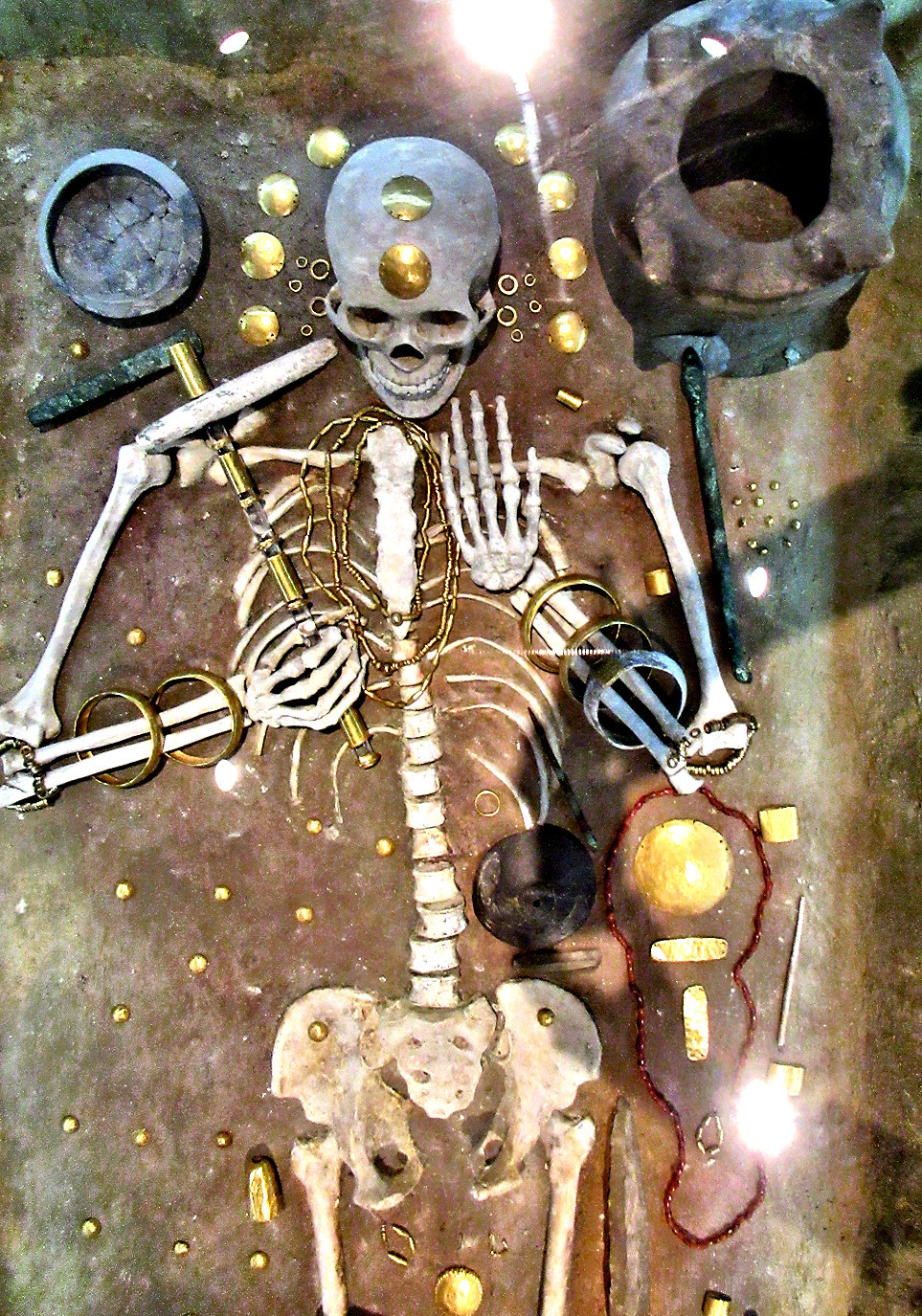 |
| The famous "Varna culture" grave from 45ß00 BC accidental
discoed in1972 . | | Source: Photographed in Varna 2025
|
|
| | |
|
|
There is plenty more, of course, including metal things: |
| | |
|
| |
|
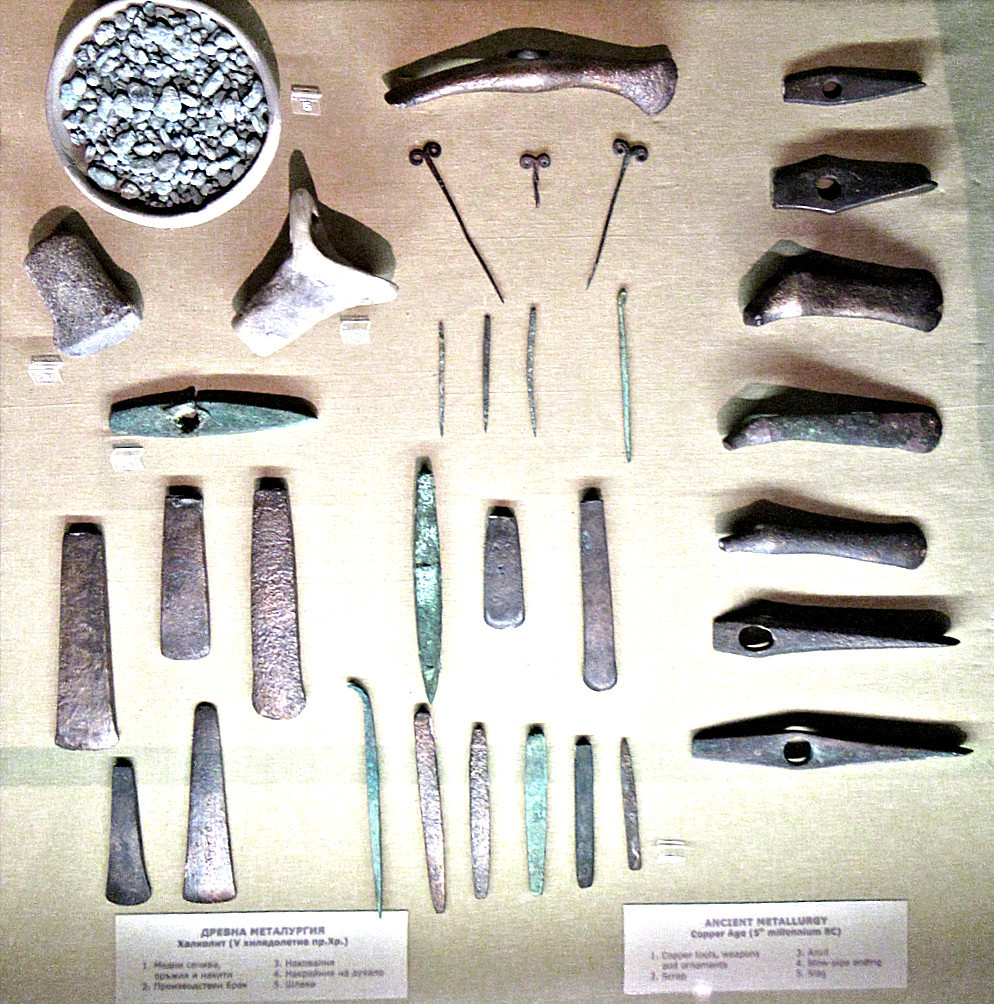 |
| Metal things and rather short explanation . |
| Source: Photographed in Varna 2025 |
|
| | |
|
|
What today is Bulgaria used to be Thracia, sort of. The museum thus
has some artifacts from this time, like this dagger: |
| |
| |
| | |
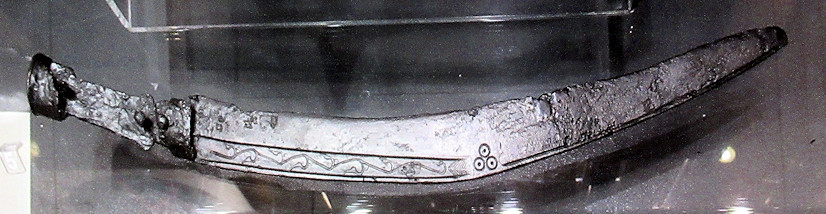 |
Thracian dagger
More to that here.
| | Source: Photographed in Varna 2025 |
|
| | |
|
| |
|
There is plenty more - but enough for now. |
| | |
|
| |
Kunsthisturisches Mmuseum in Viennea |
|
Vienna, the capital of Austria, is not usually seen as a Balkan city.
However, Austria in its heydays ran most of the Balkan and did what all colonialists did: Take what you like and bring it
home. Small wonder that you find good things from somewhere else in Vienna museums now. |
|
The “Kunsthisturisches Mmuseum” in Viennea is an imposing
budding with an imposing inner decorating. Here is the entrance hall / staircase, with real art (meaning naked women) on
the ceiling. |
| | |
|
|
|
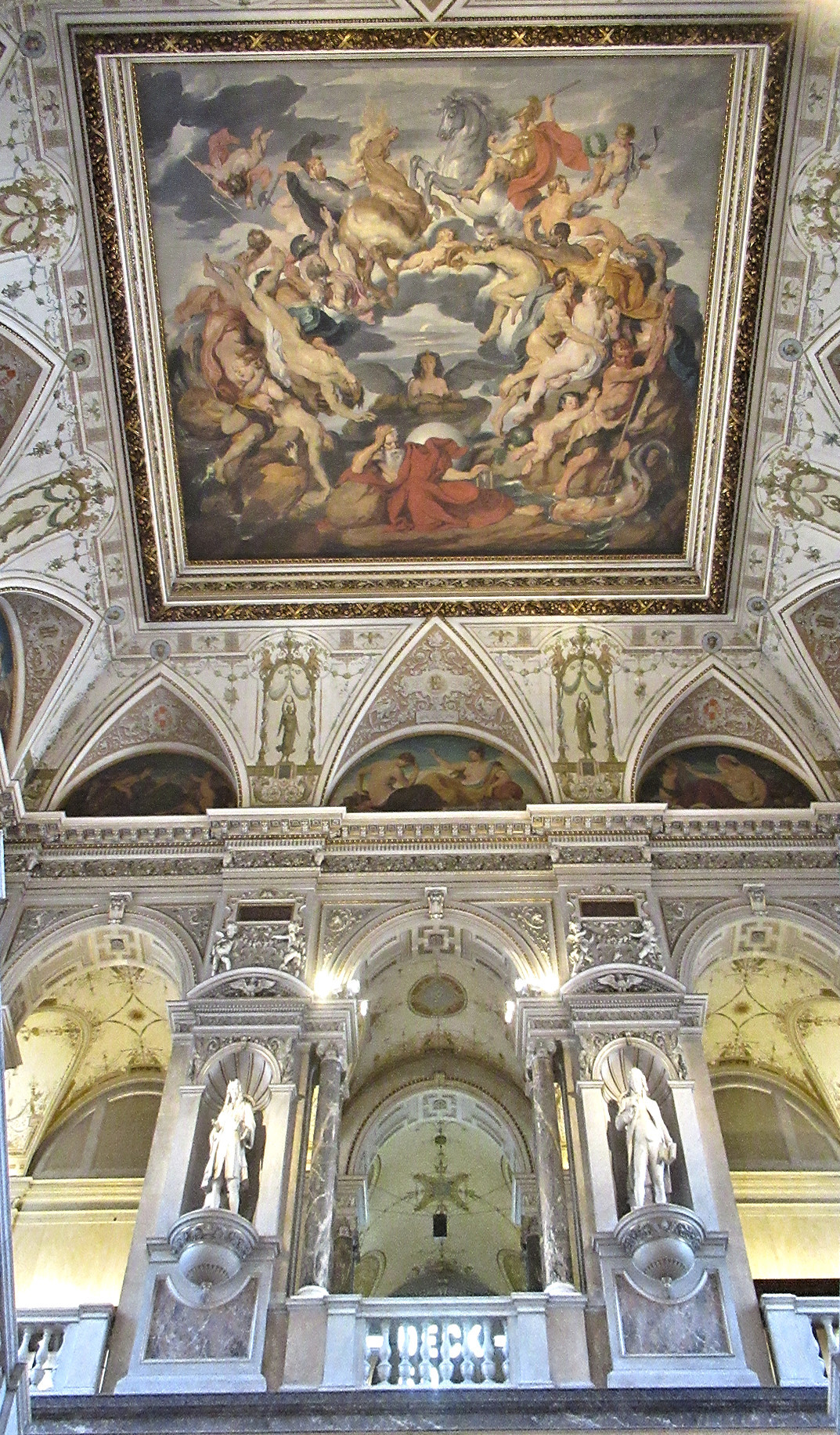 |
| Entrance hall of the Kunsthistorische Museum |
| Source: Photographed in Vienna 2025 |
|
| | |
|
|
|
You definitely should go there, it is full of good stuff (including art and dinosaurs).
Its display is a bit old fashioned but fortunately this means things are well lit. Here is a picture from a room containing
Hallstatt and other old things: |
| |
| |
| | |
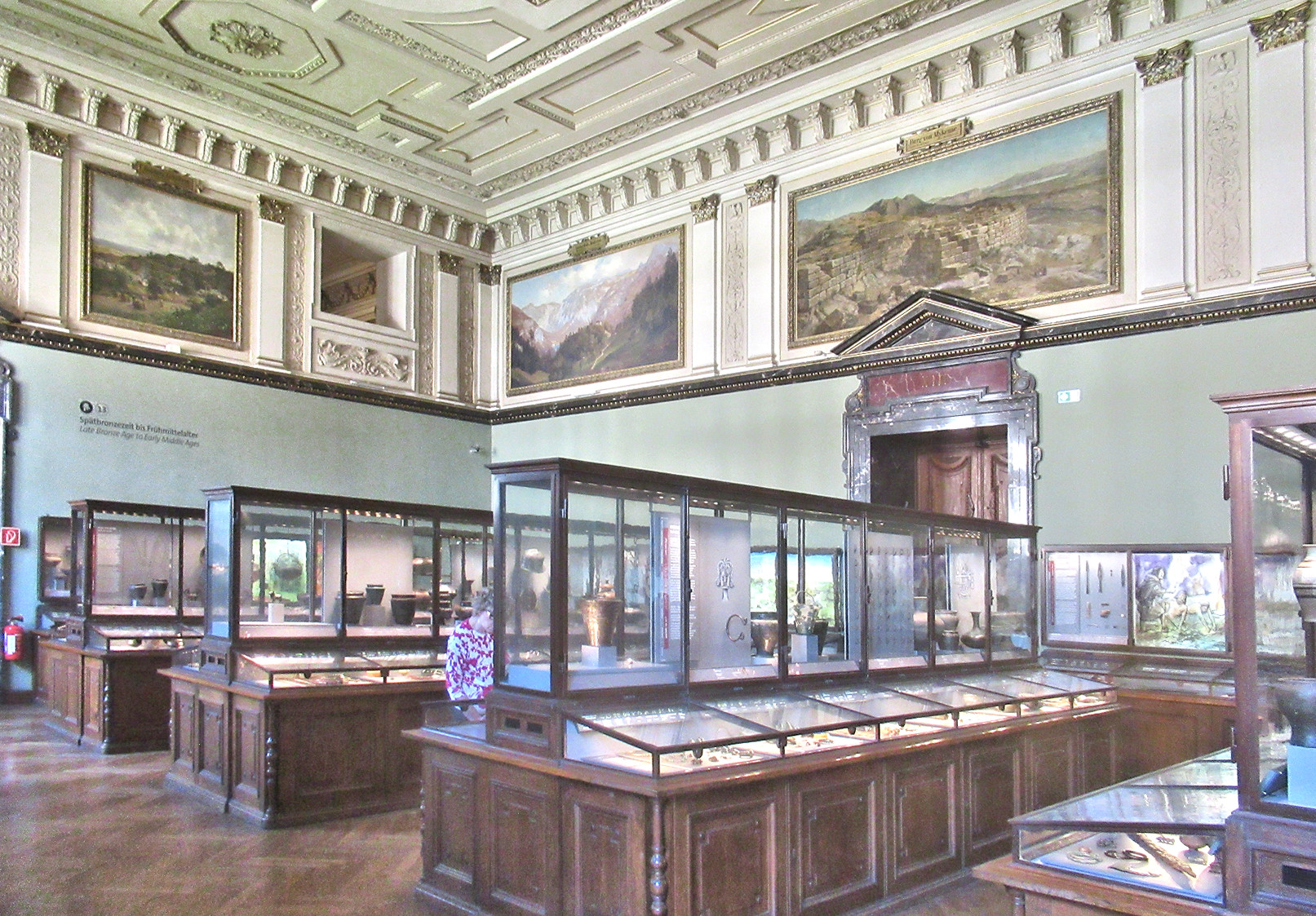 |
| Exhibition room |
| Source: Photographed in Vuenna 2025 |
|
| | |
|
|
Besides artifacts from the Danube culture, I was looking for Hallstatt
swords and things and for general iron / steel items of interest.
They sure had a major Danube culture relic. The Figurine
from Karanova shown in the Danube culture module. |
| | |
| | |
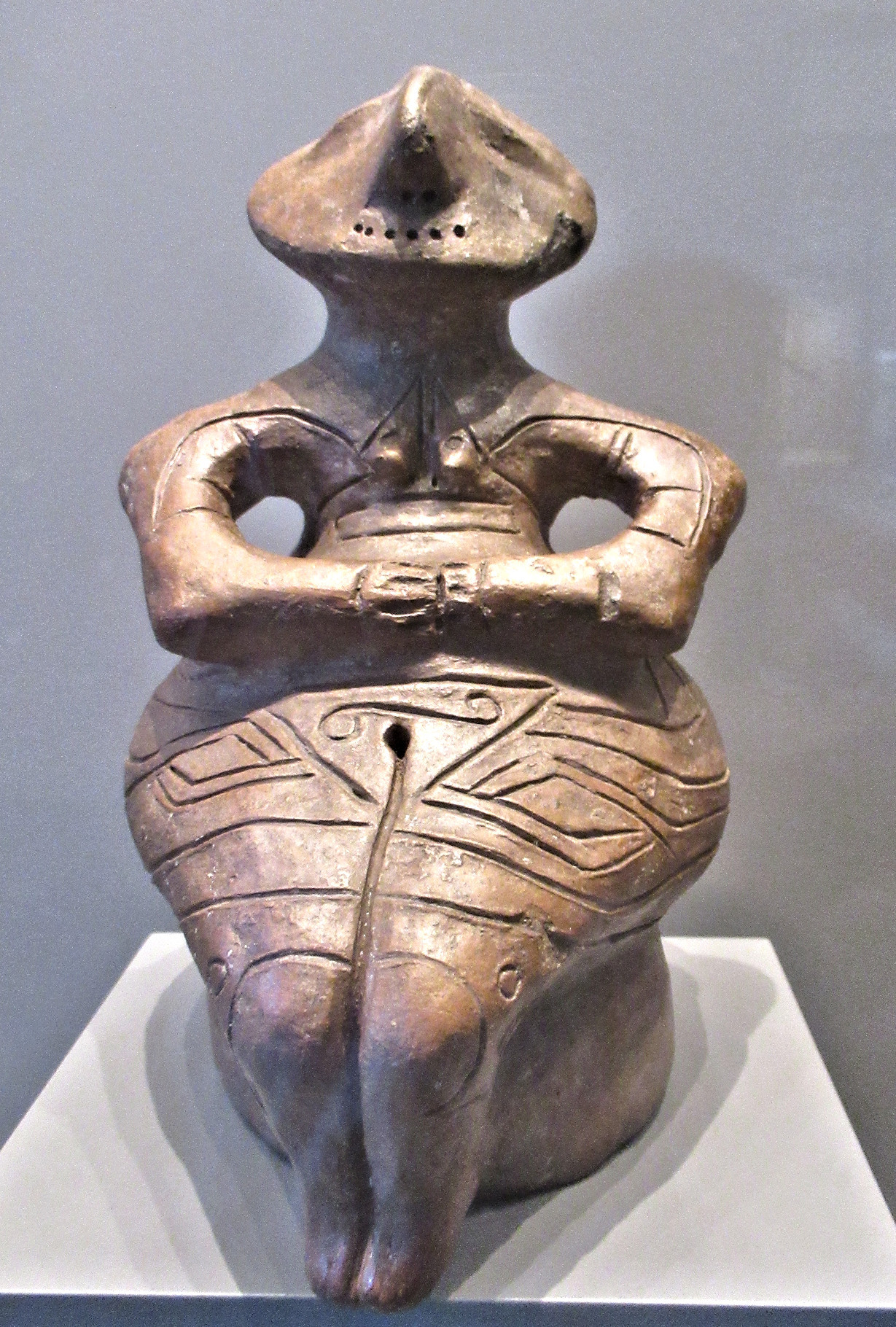 |
Lady from Pazardzhik
About 6500 years old.. |
| Source: Photographed in Vuenna 2025 |
|
| | |
|
| |
|
The description call her the Lady from Pazardzhik / Bulgaria and dates her to
around 4500V BC; i.e. the time of the climax of the Varna culture. The museum also has a much older naked lady on display:
The Venus from Willendorf, shown here. |
| | |
|
© H. Föll (Iron, Steel and Swords script)
 With frame
 Critical Museum Guide