Justitiae


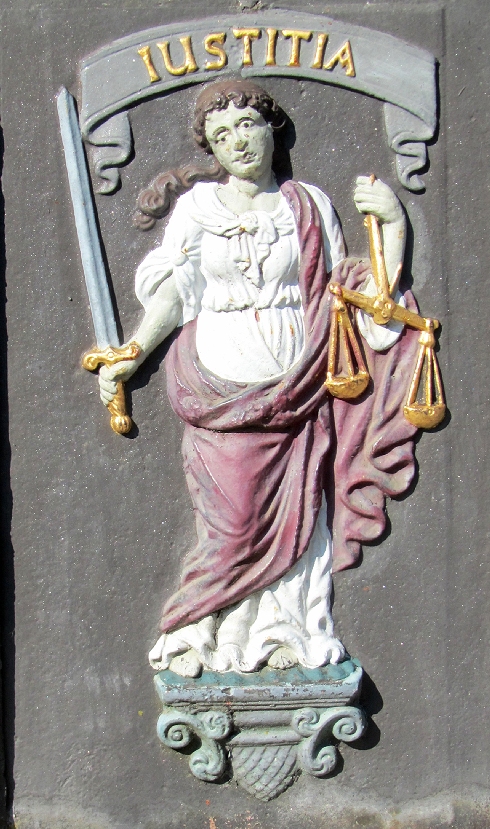 | |
| Justitia in Backnang; Germany | |
| Source: Photographed there in 2012 |
Justitiae | ||||||||
|
Justitia, the Roman goddess of Justice (in English often called "Lady Justice") is equivalent to the Greek goddess Dike (illegitimate and rather unknown daughter of Zeuss). "She is an allegorical personification of the moral force in judicial systems", whatever that means. In other words: "She is the spirit of moral order and fair judgement based on immemorial custom, in the sense of socially enforced norms and conventional rules". It's not so easy to define justice, it seems. | |||||||
|
I collect Justitiae whenever I see them and have a camera ready. So far all but one Justitiae have a sword, quite a few but not all have a balance, and none has a sheath for her sword. That can only symbolize that they are not available for you know what. | |||||||
|
Here is a particularly interesting one because she lives in Backnang, the town where I was born. | |||||||
| ||||||||
|
The judicial system is not always pretty to behold, and that's sometimes also true for the Ladies symbolizing it. | |||||||
| ||||||||
| ||||||||
|
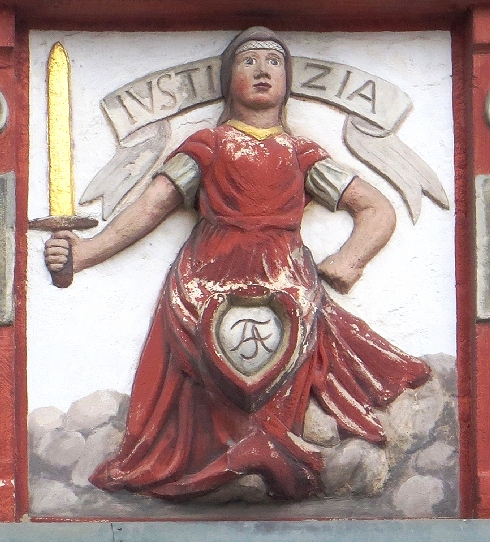
Note that this one carries a real executioners sword, always without a tapered sharp tip (see below). The Lüneburger in their heydays could afford a spare Justitia and made her a bit prettier: | |||||||
| ||||||||
|
Here is a rather unusual one - no sword! She resides in a small castle in Schmalkalden, Germany (the one with the scythe weapon) | |||||||
| ||||||||
|
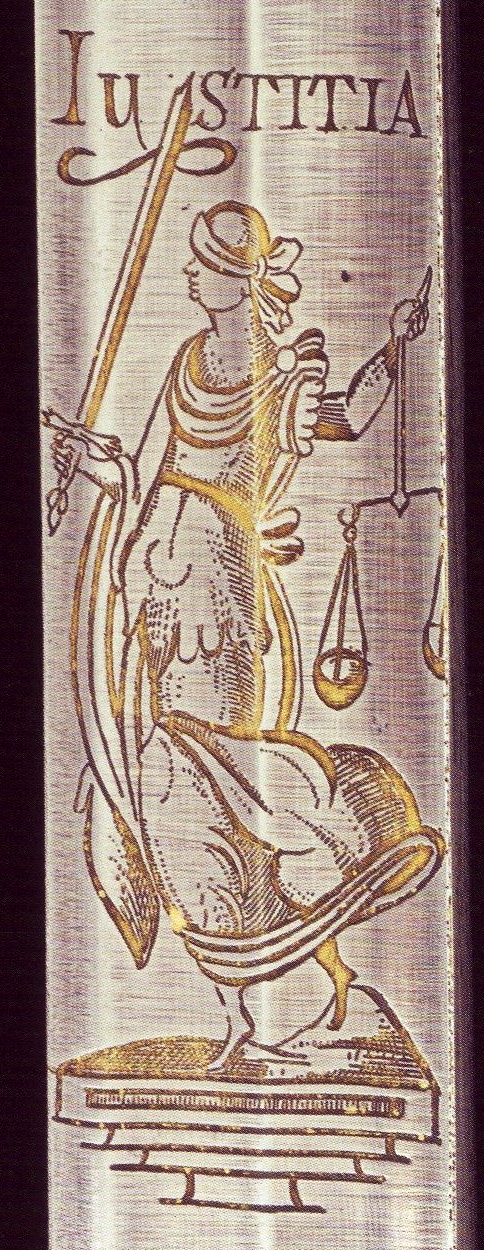
This Justitia is engraved on a sword. The sword is a " Pallasch mit Scheide", Solingen 1664; inscribed "Me vecit Solingen". It might be alluding to the victory over Turks on Aug. 1664. The sword is shown in a Dresden museum. | |||||
| ||||||
|
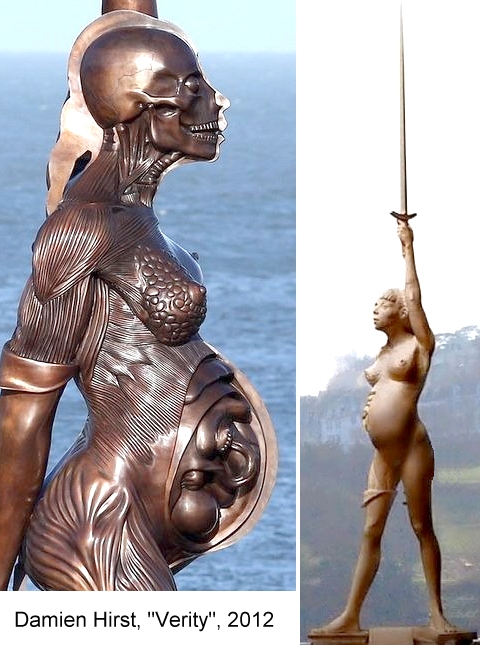
Here is a new one - as far as sculptures go. She is not called Justitia but "Verity". However, according to the artist (Damien Hirst), she holds the traditional symbols denoting justice - a sword and scales. Hirst said: "without the perfect equilibrium enacted by the scales, the sword becomes a dangerous instrument of power, rather than justice". True - especially because his (20 tall, left-handed, 45.000 pounds) damsel also doesn't have a sheath and appears to have severely cut herself. | |||||
| ||||||
|
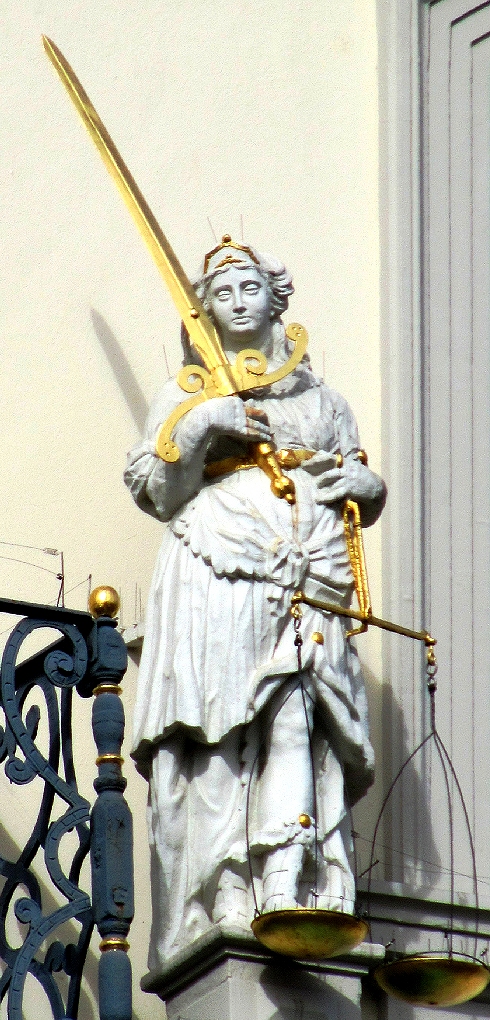
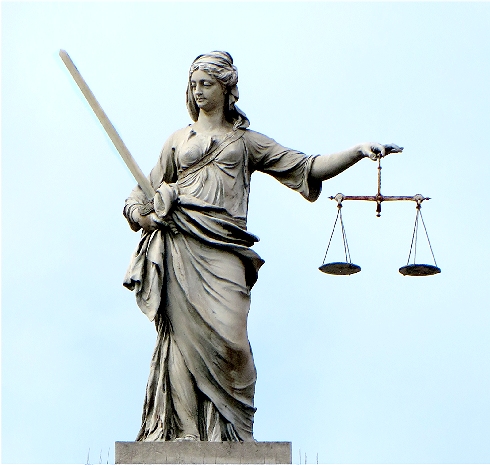
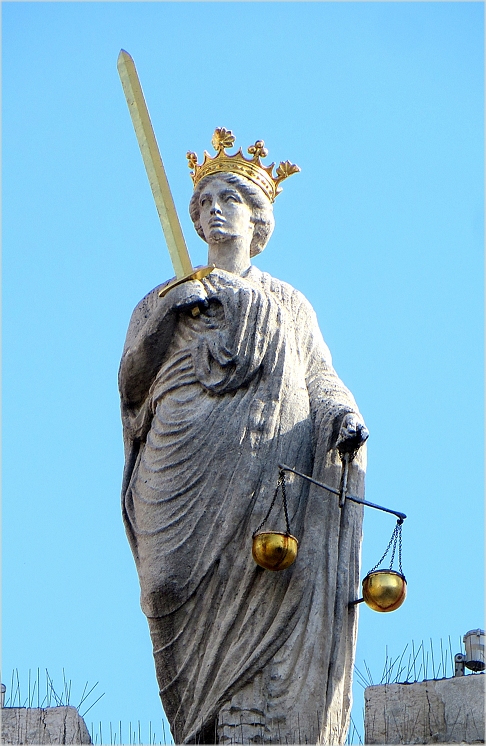
Here is a very nice and traditional one, found on top of some building in Dublin, Ireland. If she ever uses her sword, she would become partially undressed. | |||||||
| ||||||||
|
Tallin,the capital of Estonia, sports a somewhat disraught Justitia: | |||||||
| ||||||||
|
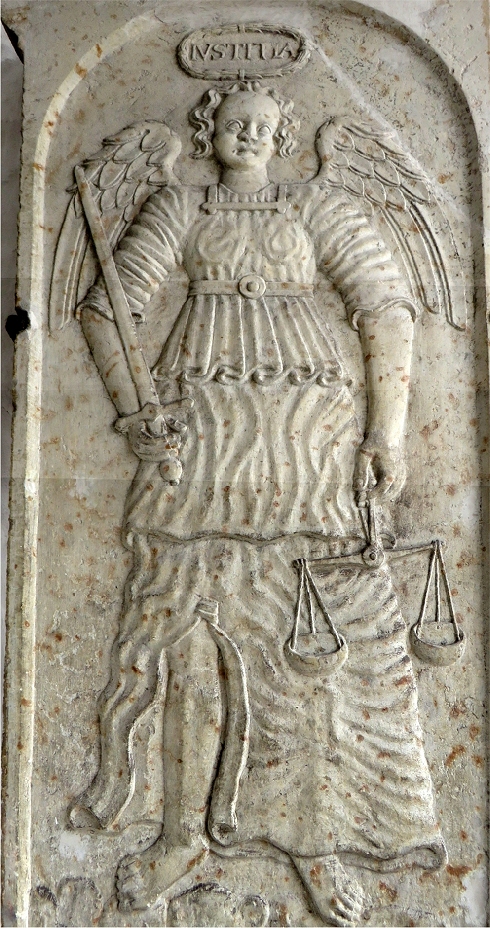
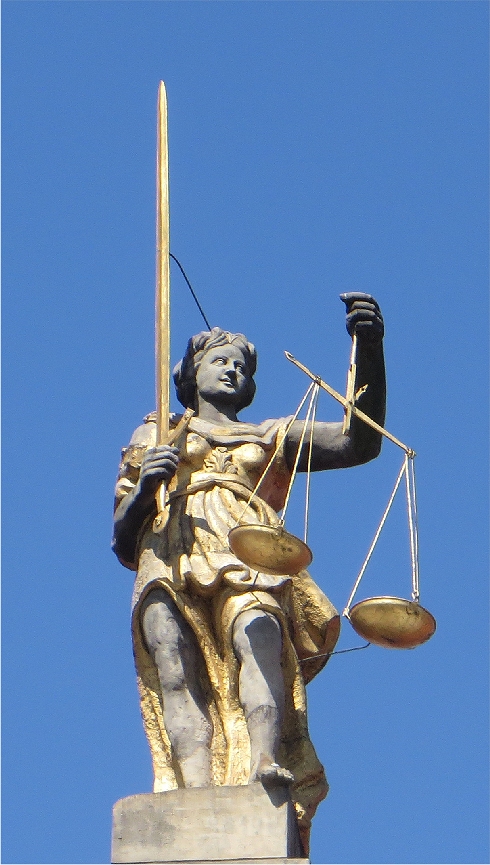
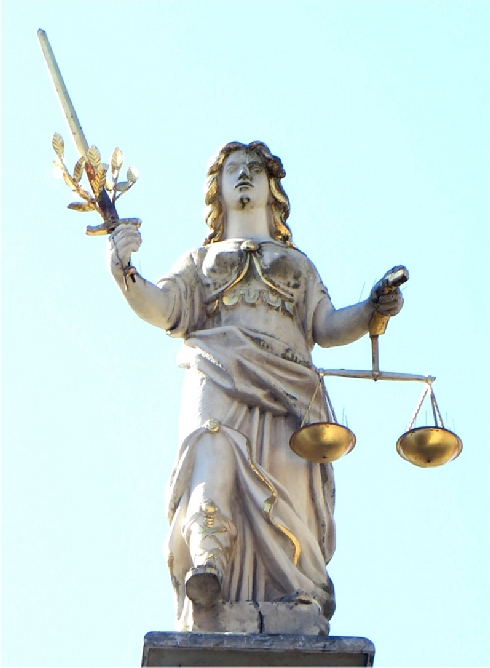
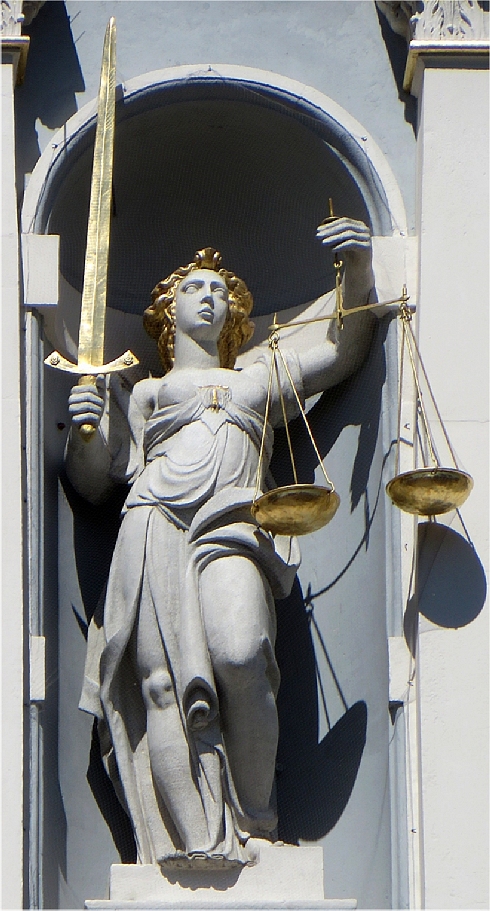
In Gdansk (Danzig), Poland, you find many Justitiae, all pretty. Here are three: | |||||||
| ||||||||
| ||||||||
| ||||||||
|
Even in the old and unlamented DDR they had Justitias if not real justice. Here is one from the castle Heidecksburg in Rudlstadt, the residence of the princes to Schwarzburg-Rudolstadt. Contrary to general baroque traditions, this female is rather flat-breasted | |||||||
| ||||||||
|
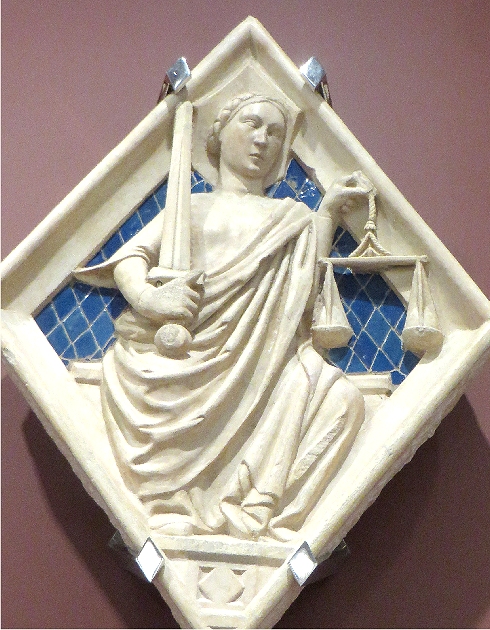
Florence in Italy must have several justitiae, here is the one from the Dome Museum | |||||||
| ||||||||
| '' |
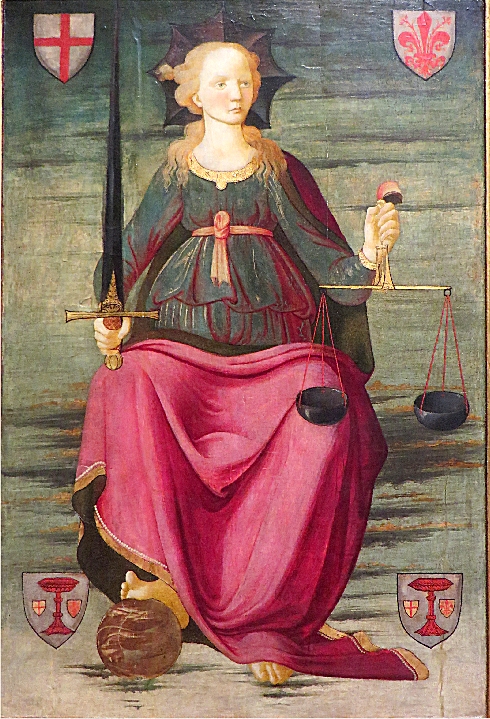
Of course, the ufficies, world-famous art museum, boasts justitiae as well: | |||||||
| ||||||||
|
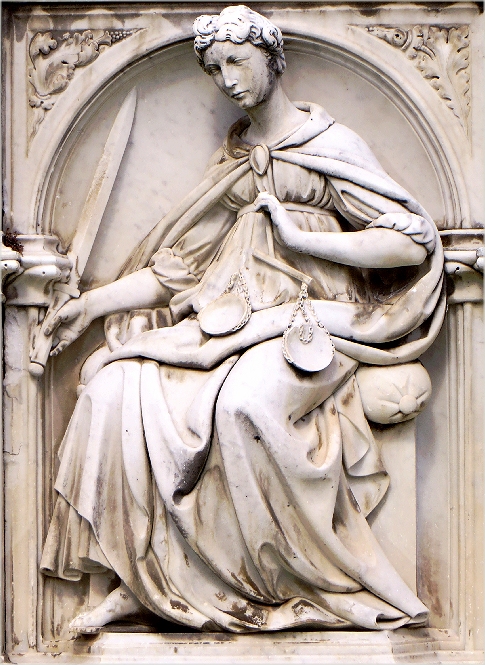
Siena in Italy, competing with Florence in the good old times, sports an interesting justitia somewhere around the town center. | |||||||
| ||||||||
|
She holds her sword like some disgusting object and isn't so fond of the scales either. In
contrast to almost all other marble women found in Siena, Florence or other Italian cities of Renaissance fame, she is no
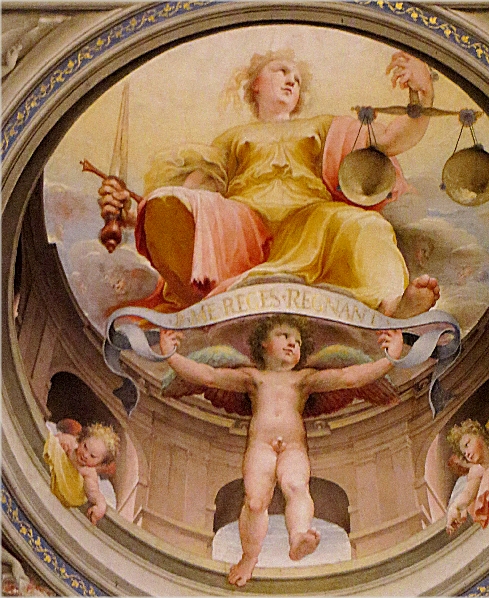
only not bare breasted but rather heavily clothed. Fed up with meting out justice and with men, it seems. A second one; inside the old City Hall (Pallazo Pubblico), is painted high up on the ceiling (by one Domenico Beccafumi around1530). She holds her sword in a monstrously large hand and her scale seems to be a dual purpose construction since it looks like it it also serves as her bra. | |||||||
| ||||||||
|
Koper is a small but thriving harbour town in Slowenia with a really good Justitia up there on some old palace or town hall: | |||||||
| ||||||||
|
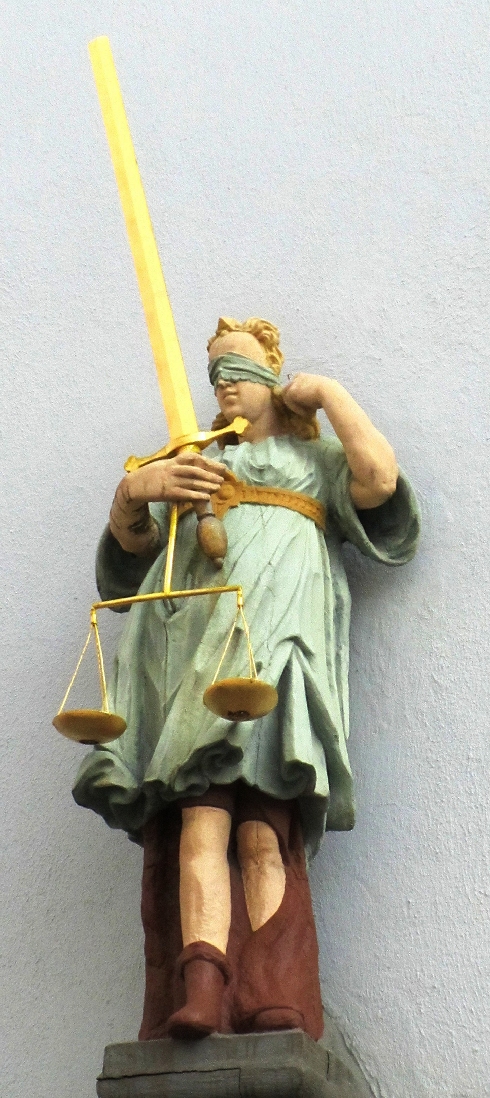
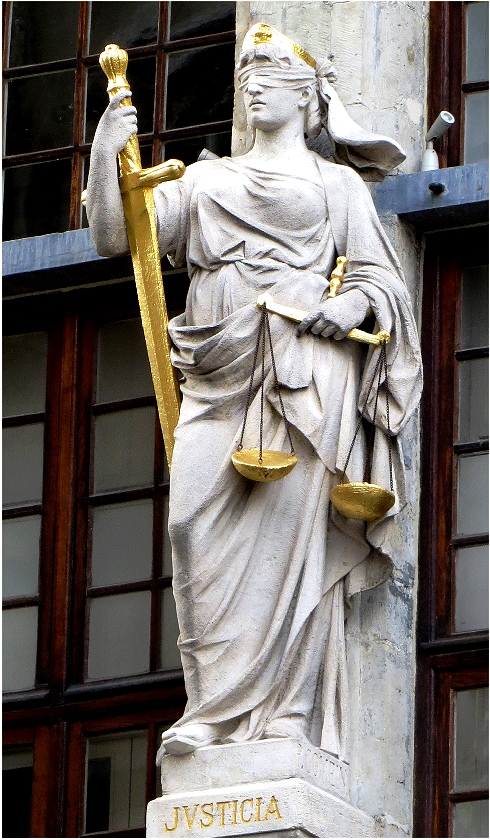
Brussels, the capital of Belgium (and of the European Union, sort of) features a pretty if confused looking Justitia with a particular hue sword: | |||||||
| ||||||||
|
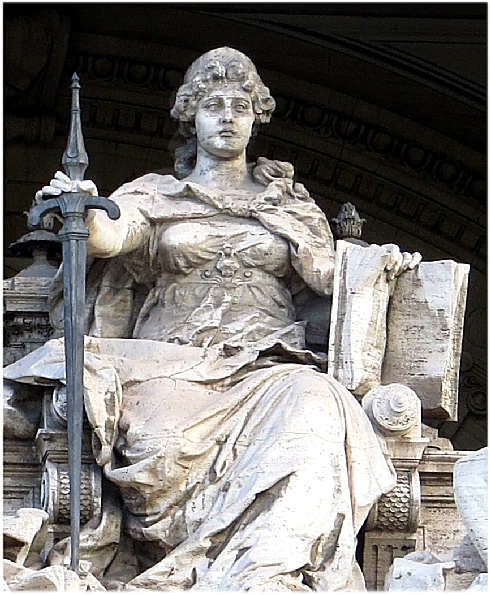
In Rome right at the Tiber is an enormous palace of Justice with a Justitia (flanked by two groupies) sitting high above the entrance. She carries an oversize sword (no sheath, of course) and looks pretty grim: | |||||||
| ||||||||
|
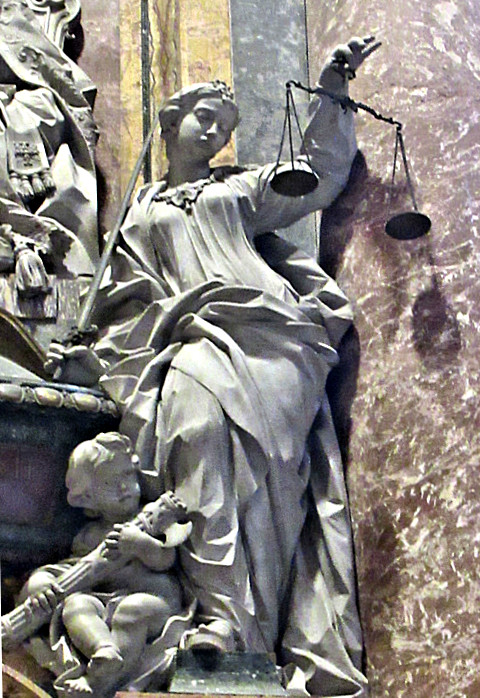
You also find a Justitia in S.t Peter's Basilica. somewher high up: | |||||||
| ||||||||
|
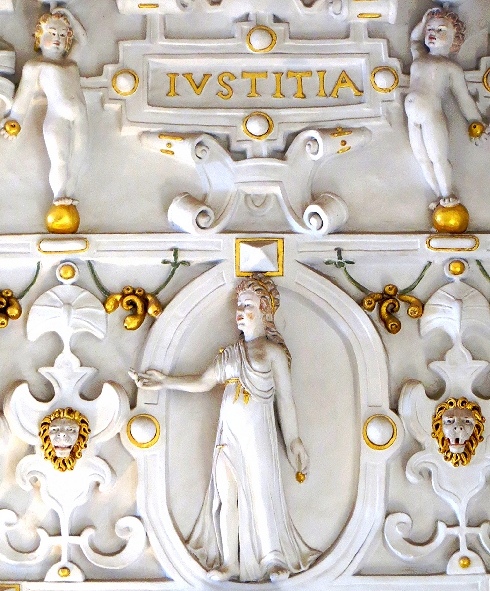
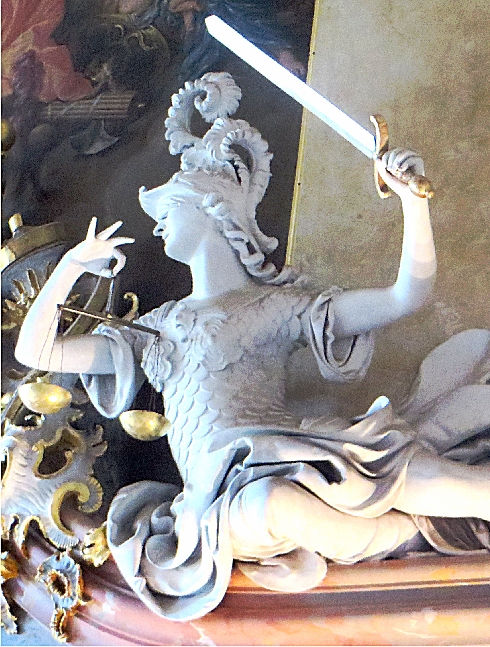
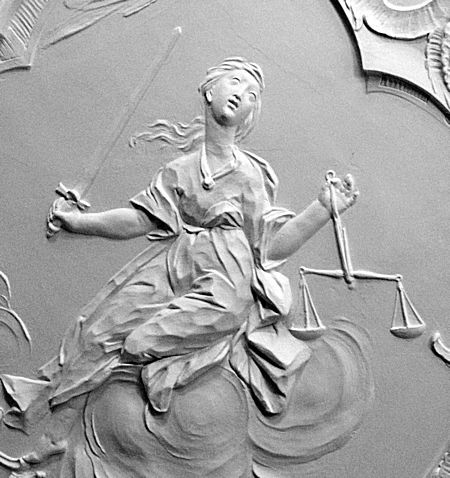
In Meersburg at the Lake Konstnaz you find a very subtle Justitia, done in stucco at the ceiling of the palais. | |||||||
| ||||||||
|
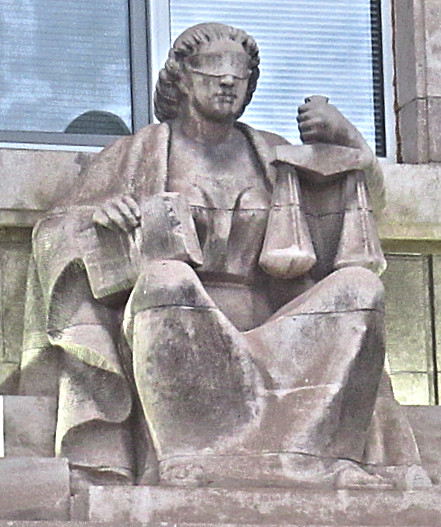
Here is an interesting Justitia, found in Rousse / Bulgaria. She carries no sword but a book! Obviously, m she is going to throw the book at you if you are found guilty. | |||||||
| ||||||||
|
There are also very modern Justitiae. Here is one: | |||||||
| ||||||||
|
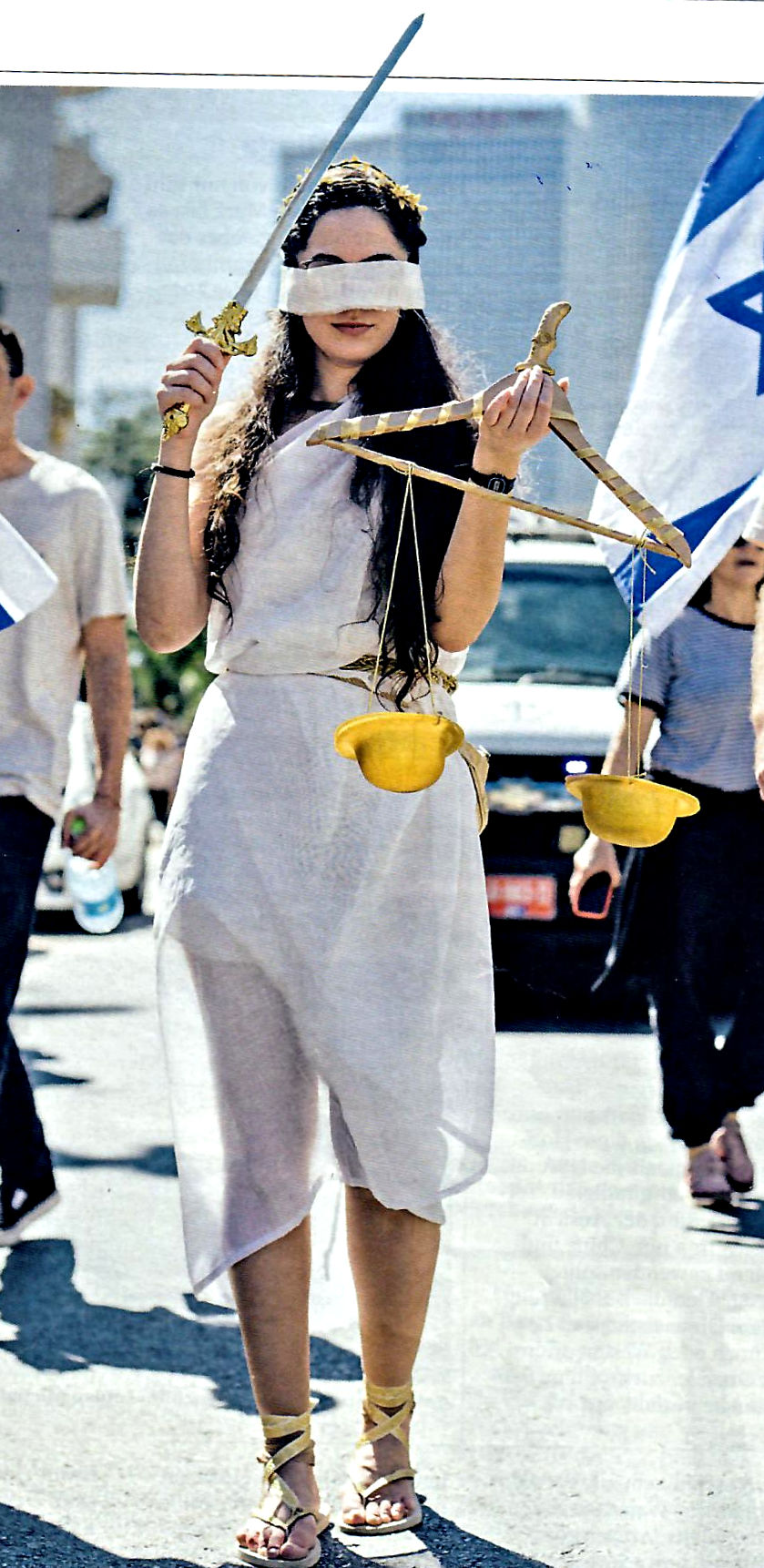
This one is still very much alive. We have an Israeli woman demonstrating against the planned changes of the legal system by the new right-winged government. | |||||||
|
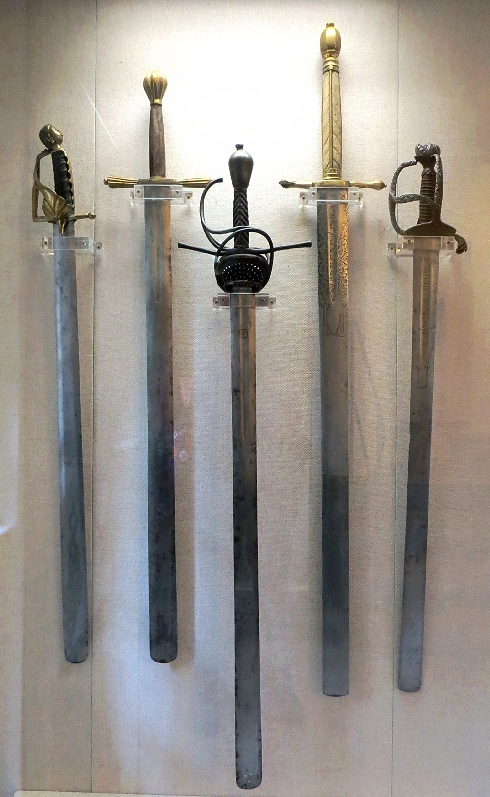
Finally some real swords of justice without a Justitia attached: | |||||||
|
Note the blunt points. The second from the right sports an inscription saying something about giving eternal life to the poor sinner. | |||||||
| ||||||||
|
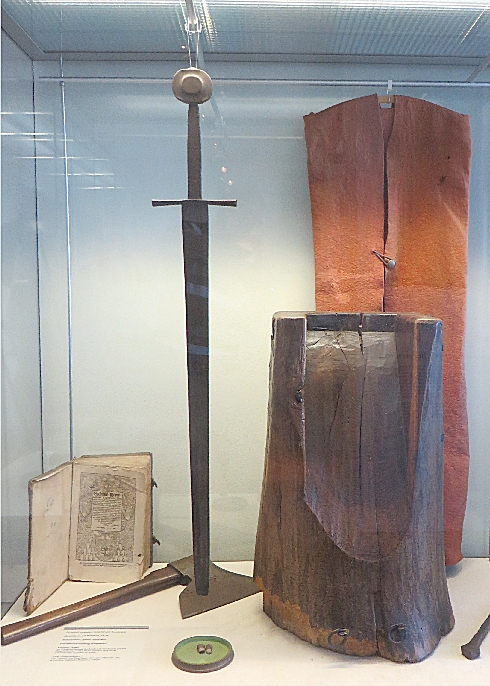
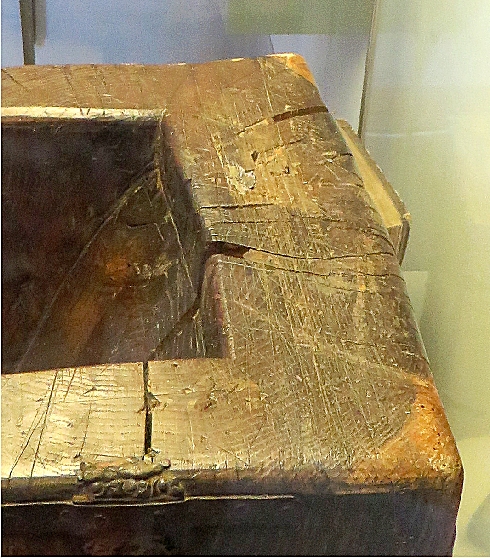
With a sword, beheading was usually done with the delinquent standing, kneeling or siting in a chair. This took a bit of skill in proper aiming and misses tended to be messy. The use of an axe plus a block made thing a bit easier. Here is a sword and an axe / block combination, found in the town museum of Saalfeld, Germany: | |||||||
| ||||||||
| ||||||||
|
As one can see, the aim was mostly pretty good but occasional misses did happen. | |||||||
 Critical Museum Guide: Dresden
© H. Föll (Iron, Steel and Swords script)
 With frame